
Disney World
Grand Floridian Resort & Spa

Whistler
Delta Village Suites

Maui
Sheraton Maui

The CME
The CME is the extended version of one of our most popular workshops: Personality Disorders: Manage Them Before They Manage You (certified by the CFPC for 6.0 Mainpro+ credits).
Fifteen percent of your patients have at least one personality disorder. Unfortunately, the personalities of our colleagues, family members, and friends can also contribute to some significant suffering.
This practical workshop begins with a review of the science of personality assessment. We examine the most popular inventories, doing a fair bit of debunking along the way. Fortunately, some inventories are indisputably evidence-based. You'll have an opportunity to analyze yourself (and your loved ones, if you're so inclined) using one of the very best.
The core of the workshop is the systematic review of DSM’s ten personality disorders: the insensitively-named "MAD" (paranoid, schizoid, schizotypal), "BAD" (antisocial, borderline, histrionic, narcissistic), and "SAD" (avoidant, dependent, and obsessive-compulsive) "clusters". For each, we focus on rapid diagnosis, modular treatment, and—always—clinician coping.
Borderline personality disorder receives special attention, as it's increasingly common even among tweens. You'll learn practical, evidence-based approaches for managing emotional dysregulation, self-injury, and other BPD common symptoms. We also devote extra time to coping with Dark Tetrad personalities (i.e., those with narcissism, Machiavellianism, psychopathy, and sadism). There are plenty of these "charming" individuals in both our professional and personal lives—and they cause a lot of pain.
Personalities and their disorders are by definition enduring and predictable. When you improve your skills in reading others, you give yourself a little "superpower". That superpower will make both your clinical practice and your life in general a whole lot easier.
7. University of BC
8. University of Calgary
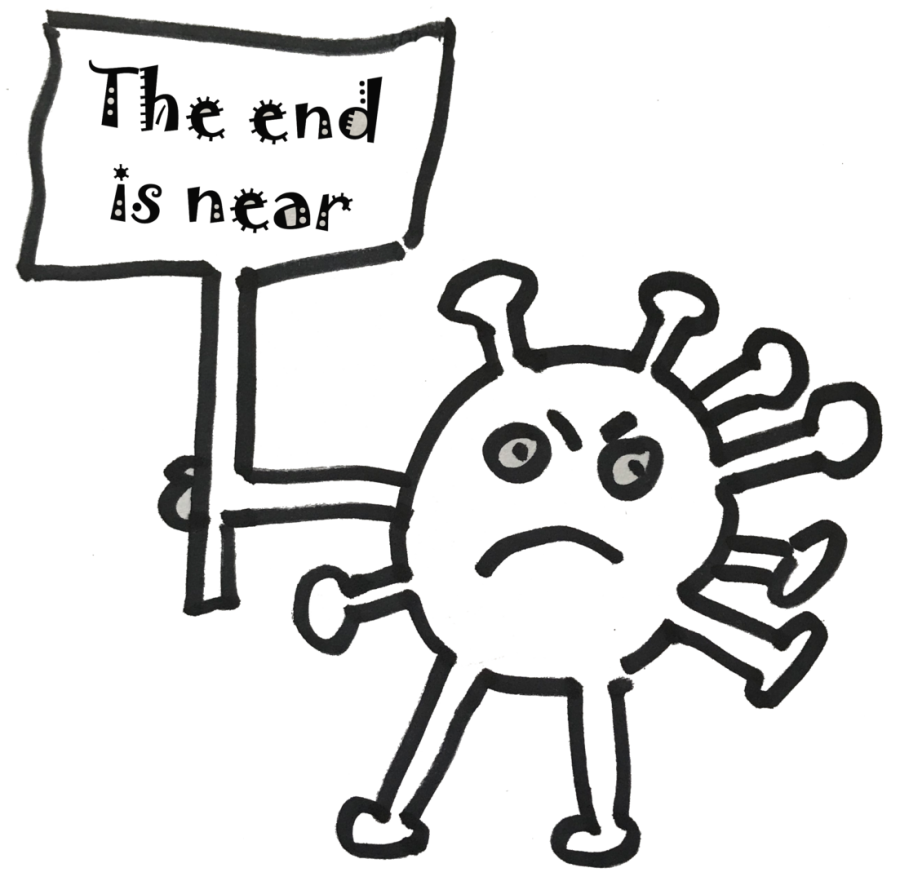
Safety first. All workshops will continue to be held online until further notice. Although we all miss Normal Life, prudence prescribes us hanging in there a little longer. Fortunately, Zoom has plenty of pluses; e.g., fancy polls, fast & easy breakouts, and the utmost flexibility in pantwear.
CBT is recognized as the top non-biological treatment for depression. This practice-changing three-credits-per-hour workshop teaches a plethora of ten-minute techniques for helping patients with major depressive disorder. Participants learn to integrate medical CBT techniques into their standard family practice appointments, and are encouraged to discuss their most challenging cases.
See also Dysthymia: Hope for Chronic Depression & Suicidality.
1. Identify & avoid depression’s thinking traps
2. Discover Teflon techniques to “goalify” complainers
3. Acquire the skills to decisively manage indecision
5. Identify “good enough” treatments for perfectionizm
6. Learn to help patients delay procrastination
7. Learn releases from depressive rumination
8. Discover better ways to help the lonely connect
9. Practice self-compassion for malignant self-criticism
1. Karen, 31, drains you with her “empathy addiction”
2. Mark, 20, is so perfectionistic you fear for his future
3. Betty, 43, is unable to leave her abusive boyfriend
4. Donald, 68, xxx
5. Helen, 79, is a widow and heart-breakingly lonely
6. George, 62, xxx
7. Sandra, 36, blames everyone else for her life situation
8. Ken, 18, is sabotaging his future with procrastination
9. Donna, 44, is so self-critical it's making her depressed
10. Steven, 55, constantly asks why but rarely takes action
11. Carol, 49, won't move beyond her childhood traumas
12. Edward, 60, complains so much that you dread his visits



According to the CMA, 30% of Canadian physicians are "highly burned out" and 34% are depressed (CMA, 2018). The CMPA now refers to physician well-being as "the missing quality of care indicator". Simply put, the burned-out doctor is probably a crappy doctor. Fortunately, today's CBT is a treasure-trove of scientifically‐tested tools to help physicians increase their resiliency. Please join CBT Canada faculty for the fast-paced and practical SuperDoc workshop. You’ll emerge equipped with versatile CBT tools to boost the functioning and improve the mental health of your patients, your family, your friends—and the ongoing project called “you”. Some upcoming options for the SuperDoc workshop include December 2, 2021 and April 20, 2022. All are certified for three-credits-per-hour.
From Post-Traumatic Stress Disorder ...
... to Post-Traumatic Growth
Is this workshop right for you? Ten-Minute CBT is an introductory workshop that reviews ten of the 52 tools covered in the original CBT Tools module, along with some highly-practical tips harvested other three-hour modules. If you'd like a high-impact introduction, or if you'd like a refresher of the material you took before, Ten-Minute CBT is an excellent choice.
Is this workshop right for you? Ten-Minute CBT is an introductory workshop that reviews ten of the 52 tools covered in the CBT Tools module, along with some highly-practical tips harvested from the CBT for Anxiety, CBT for Depression, and CBT for Challenging Problems modules (which are 12.0 hours each). If you'd like a high-impact introduction, or if you'd like a refresher of the material you took before, Ten-Minute CBT is an excellent choice.
Certificate Program. For the keen, CBT Canada offers a Certificate in Medical CBT (CMCBT). Requirements include the completion of the three core modules (CBT Tools, CBT for Anxiety, and CBT for Depression), followed by an online exam. All modules are three-credits-per-hour (12.0 hours & 36.0 Mainpro+ credits each). You may take the modules in any order you please.
Ten-Minute CBT: No-BS Techniques for the Front Line
CBT Canada offers a 3.0 hour / 6.0 Mainpro+ credit introductory workshop entitled Ten-Minute CBT. Completing a Ten-Minute CBT workshop is recommended but not required before taking any of the other modules below. Upcoming dates for Ten-Minute CBT include November 28 and January 12. All are certified for three-credits-per-hour.
HapSci: Altruism’s literature is helpful in finding the sweetspot between vain virtue signalling and pointless pot-latching is passé, and virtue signalling is in vain. We review some scientific subtleties.
Sadly, he who laughs last probably didn’t get it—and he probably isn’t having a terribly good time of things
DISCLAIMER. There's a dark side to better doctor-patient relationships: some of our CMPA Friends may end up feeling neglected—just like those sad Maytag repairmen.
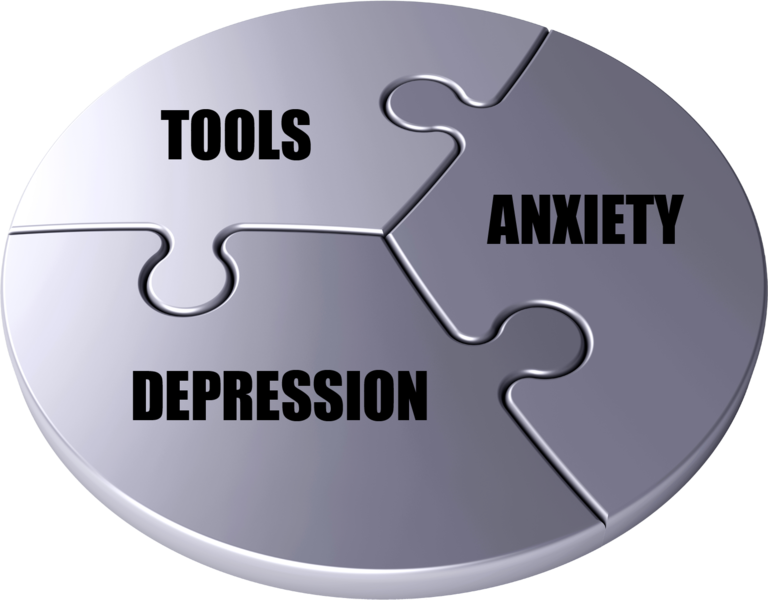
1. CBT Tools 12.0 hours
2. CBT for Anxiety 12.0 hours
3. CBT for Depression 12.0 hours
All three core modules are certified by the College of Family Physicians of Canada at the three-credits-per-hour level, for a total of 36.0 Mainpro+ credits each (108.0
Mainpro+ credits grand total). There are no prerequisites for any of the modules, and you can take them in any sequence you wish. Current options are as follows:
| CBT Tools | CBT for Anxiety | CBT for Depression |
| September 16-17, 2021 | June 3-4, 2021 | May 6-7, 2021 |
The keen may wish to consider CBT Canada's Certificate in Medical CBT (CMCBT). Requirements include the completion of the three core workshops and followed by an online exam (details). The super-keen in possession of an Ontario medical license may wish to consider the one-year Fellowship in Medical CBT (FMCBT). Email registrar@cbt.ca for details.

Sponsors of Ten-Minute CBT have included the College of Family Physicians of Canada, Dalhousie, McGill, McMaster, Memorial, Queen's, UAlberta, UBC, UCalgary, UdeM, UToronto, Western, and most chapters of the CFPC.
All medical CBT workshops are designed for family physicians, nurse practitioners and allied professionals providing brief appointments (e.g., ten minute) in medical environments. Although the workshops may also be useful for full-time psychotherapists (e.g., psychiatrists, psychologists, and GP psychotherapists), they are not designed with them in mind.
Flexibility. Three 12.0 hour workshops are required for the Certificate in Medical CBT (CMCBT). Each is certified for three-credits-per-hour by the College of Family Physicians of Canada for 36.0 Mainpro+ credits. You can take the modules in any order you desire. Choose your workshop(s) based on your family's scheduling & destination preferences.








































Sponsors of Ten-Minute CBT include the College of Family Physicians of Canada, Dalhousie University, McGill University, McMaster University, Memorial University, Queen's University, University of Alberta, University of British Columbia, University of Calgary, University of Toronto, and Western University (UWO), as well as most provincial chapters of the CFPC.
The need for human connection is universal. Who feels fine after a fight with a loved one? Who doesn't glow after an unexpected reunion? Who doesn't dread the pangs of
future bereavements? In today's world, social well-being doesn't happen by default: we're not the society of old.
Research reveals clear links between social strength and almost everything else in clinical medicine. If our espousal of the biopsychosocial model is sincere, our social
interventions must be as evidence-based as physical cardiology.
1. Learn validated couples counselling techniques
2. Learn to assist patients with inappropriate anger, shame & envy
3. Learn evidence-based social anxiety interventions
4. Learn effective ways to help the lonely help themselves
5. Learn contemporary grief-management protocols
Optimizing personal effectiveness has never been so important. Today we all need tighter thinking and harder habits. Darwinian forces are at work.
In this timely new workshop, Dr. Greg Dubord shares productivity secrets gleaned from nearly two decades of practice with his corporate clientele in Toronto's King & Bay district. He shares what has and hasn't worked for the performance-focused. Learn to apply new tools in both your practice and your personal life.
1. Learn to increase your skills and confidence in decision-making
2. Learn to break the curse of perfectionism
3. Learn to overcome procrastination (both today & tomorrow)
4. Learn to let go of mistakes with greater gentleness
5. Learn tips & tricks to execute your plans more consistently
Grand Floridian Resort & Spa
Delta Village Suites
Sheraton Maui

m/s Paul Gauguin

Diamond Princess
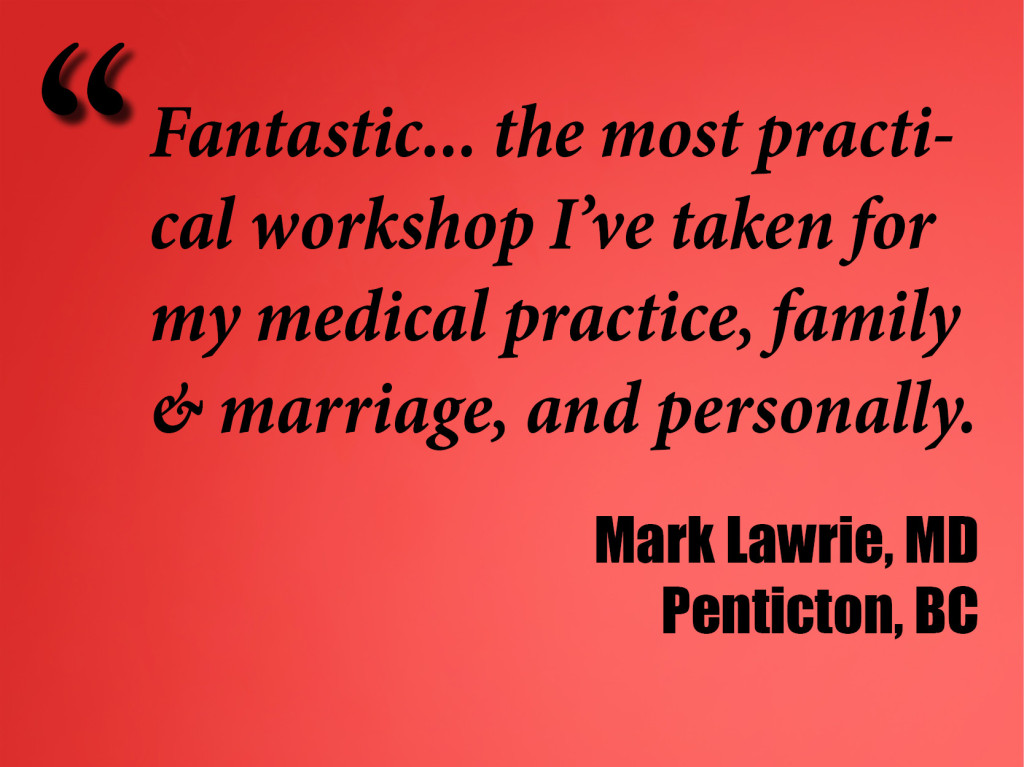
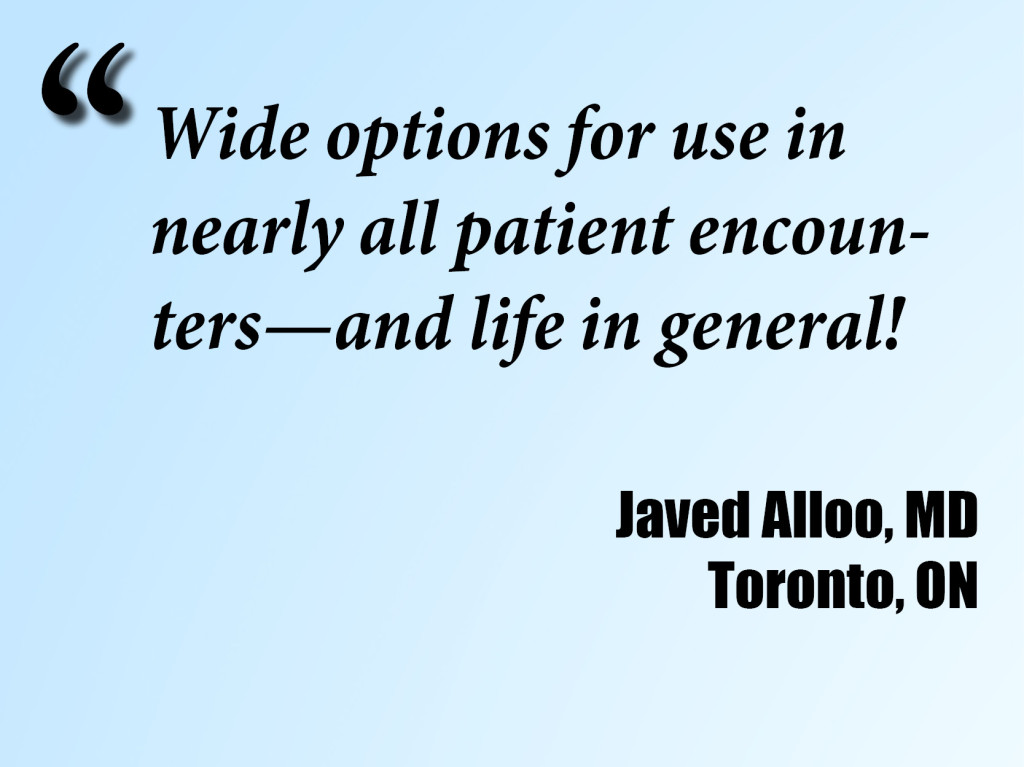
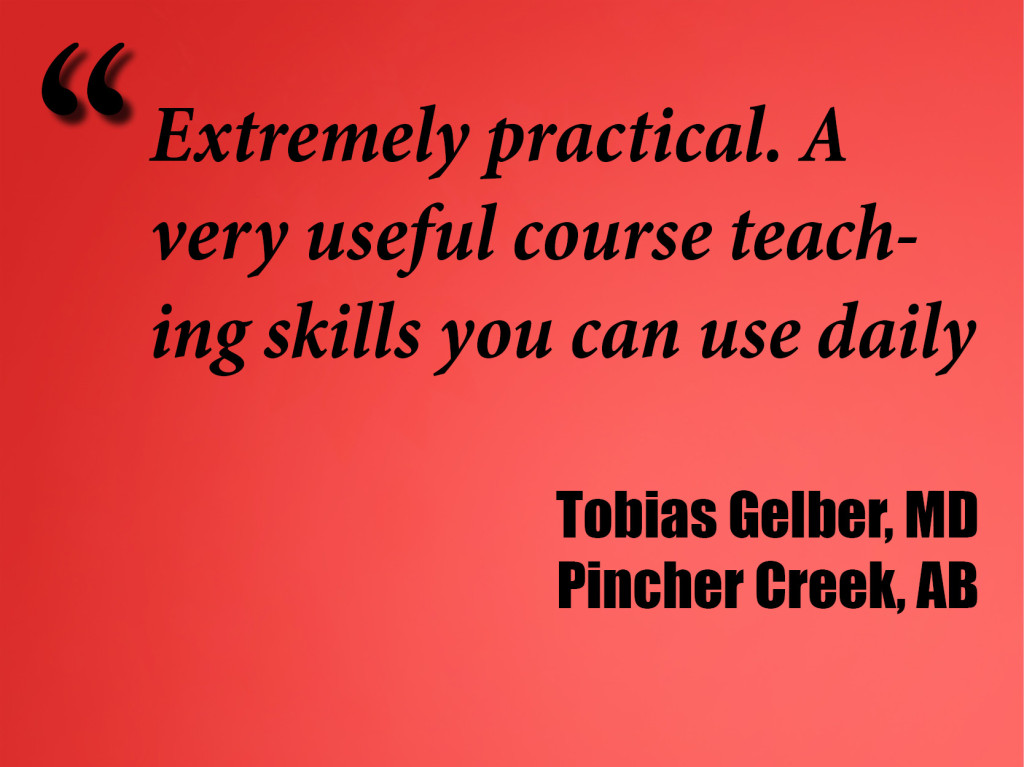
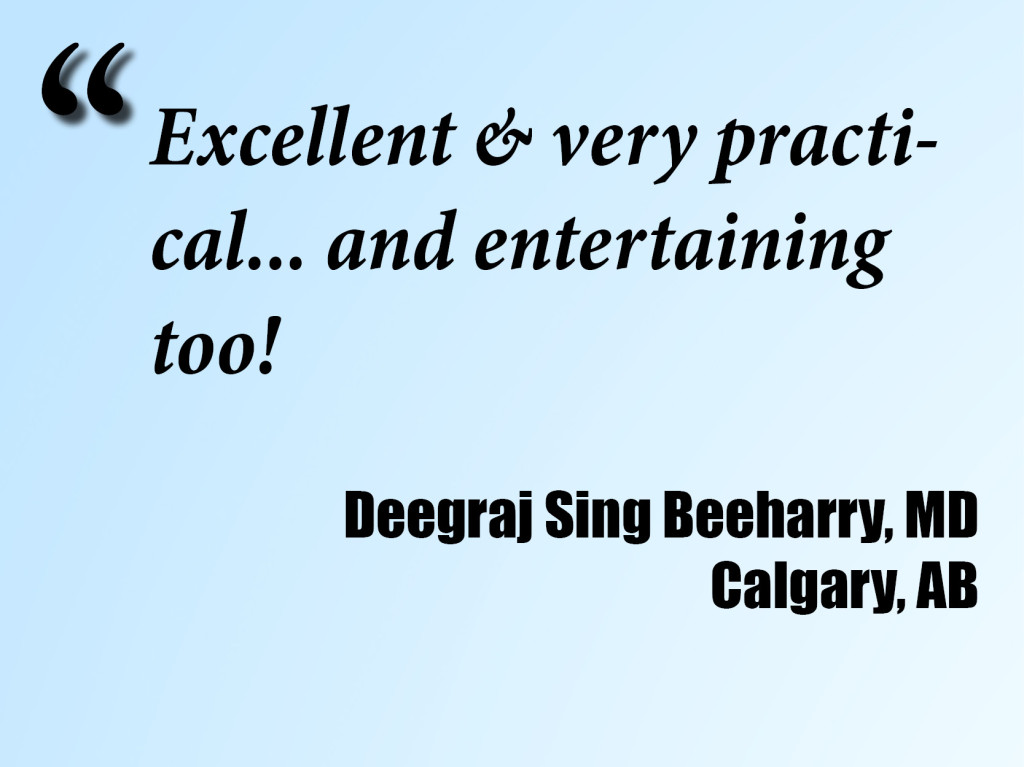
CME that respects time
Much more practical than other CME... applicable to GP office visits
—Heather Halldorson, MD
Excellent... practical... recommended for sure
—Hendrina Joubert, MD
Very practical... this seminar will change your practice!
—Anne Kavulu, MD
Very practical... excellent presentation! Recommended
—Sarah Liskowich, MD
Far more relevant with practical tools than other CME workshops I've taken... recommended!
—Jacob Manonyane, MD
Very appropriate to my practice... increased my confidence with tools to deal with many patient encounters... get wise & informed
—Johan Swart, MD
Excellent—I can use all of these strategies EVERY day... it's practical, time efficient & helpful for real change! Recommended
—Kathryn Walker, MD
1) In the top 5% of the CME I've taken over the years
Barbara Stubbs, MD of Toronto, ON
Family Medicine Forum 2011 participant
2) Incredibly enjoyable and extremely informative
Elizabeth Benade, MD of Brandon, MB
CBT Maui 2012 participant
3) Simple and easy to put into practice. Highly recommended.
Sheela Duia, MD of Edmonton, AB
CBT Lake Louise 2012 participant
4) High quality information... engaging style... extremely well done
Russell Sawa, MD of Calgary, AB
Primary Care Today 2013 participant
5) Practical, evidence-based, and entertaining (enjoyable learning). Very recommended! Very practical.
Michael Stephensen, MD of Winnipeg, MB
Manitoba College of Family Physicians 2012 ASA participant
6) A time saver. Strongly recommended.
Mudi Smit, MD of Calgary, AB
CBT Lake Louise 2012 participant
7) Lots of relevant, practical info. This workshop will greatly change my practice. Highly recommended!
Corina Getz, MD of Saskatoon, SK
CBT Turks & Caicos 2012 participant
8) It will make your life easy and improve the outcomes
Sadru Adatia, MD of Calgary, AB
CBT Scottsdale 2013 participant
9) A concrete, simple, effective method of aiding patients in improving their own emotional lives and as a result also their physical health... excellent workshop
Vivian Moir, MD of Sutton, ON
Primary Care Today 2011 participant
10) Recommended 10/10.
Paula Flattery, MD of Winnipeg, MB
Manitoba College of Family Physicians 2012 ASA participant
 Print
Print