
CBT Japan
Join our group and explore magical Japan

Earn 50.0 Mainpro+ credits from the winners of the National CME Program Award of the College of Family Physicians of Canada—and explore exotic Japan on the luxurious Diamond Princess.
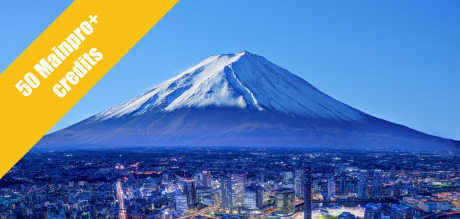 Welcome to Japan

August 4-15 [TBC], 2021
50.0 Mainpro+ credits
Tuition $1,595 CDN (tax-free)
Register now & save $300
- $1,5295.00 tuition until XXX, 2021
- $1,595.00 tuition until August XXX, 2021
- $1,895.00 on board ship on August YYY, 2021
Discover the beauty, culture & mystery of Japan
Konichiwa! Japan is an absolutely enchanting land, where traditional villages lie nestled in seaside coves and mountain forests, and Buddhist temples and Shinto shrines are found amidst busy neon city streets.
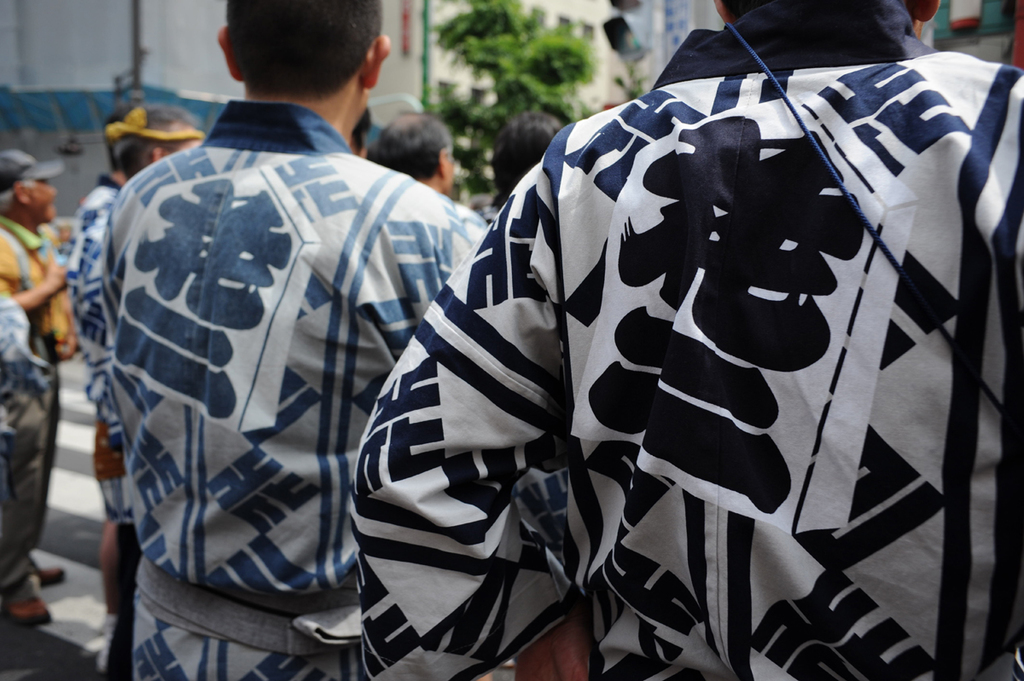
Japan is also a land of festivals (matsuri), some over a thousand years old. Summer is the prime time to experience these magical events, and this exceptional cruise is specifically designed for you to participate in four of the very best. Join us and you'll experience many moments that will make you feel like you're living in a National Geographic special!

This CME respects your time. This workshop is certified at the highest level (three-credits-per-hour) by the College of Family Physicians of Canada. Our 3:1 CME saves you an incredible amount of time (and therefore money) over 1:1 CME. Just have a look at the five-year benefit calculations.

Vacation CME has many advantages over local CME. See what your colleagues are saying, and explore the case for it being four-credit-per-hour CME.
CBT Canada is pleased to offer another Japanese CME cruise aboard the spectacular Diamond Princess. We hosted our 2014, 2016, 2017, 2018 and 2019 Asian CME groups on the same ship, and everyone enjoyed it immensely.
The CME is the acclaimed "triple strength" CBT for Depression module (16.7 hours / 50.0 credits), with an emphasis on pain and addictions. General interest topics include procrastination, perfectionism, rumination, self-criticism, self-handicapping, letting go of the past, decision-making, and evidence-based marital enrichment (e.g., exploring Japan together!). Join us and you'll gain a plethora of ultra-brief techniques to help your patients defeat depression and be happy.
Head instructor Greg Dubord, MD is nice & limber from giving over 500 CBT workshops, and is a University of Toronto CME Teacher of the Year. Assistant faculty includes:
- Peter Duffy, MD, CCFP(EM), FCFP, Co-Director of the CMCBT Program, and former Chief of Emergency Medicine at McGill University's St Mary's Hospital
- Annabel Mead, MD, FABAM, Director of the UBC Addiction Medicine Fellowship at St Paul's Hospital in Vancouver, and one of Canada's leading authorities on CBT for addictions
- Lori Montgomery, MD, FCFP, Medical Director of the Calgary Chronic Pain Center, and one of Canada's leading authorities on CBT for pain
Doctor, treat yourself right. Consider arriving in Tokyo a few days early to acclimatize before the cruise. Many in our group are staying at the Keikyu Ex Hotel for a few days. The central location in Shinagawa is terrific for exploring Tokyo.

Many physician leaders have been trained by CBT Canada over the past twenty years. Alumni include CFPC presidents (both national & provincial), department chairs, residency training program directors—and even a few doctors who are comfortable using drills & saws. For a compilation of testimonials, click here.

No shirt, no shoes, no CME. However, what you do during non-CME hours is entirely up to you. The CMPA now refers to physician well-being as "the missing quality of care indicator" because it so powerfully predicts patient outcomes. Physician, recharge yourself!
Cruise cabins start at just $5,385 CDN (which includes all taxes and port fees, and companion cruises free). Oceanviews start at $7,735 CDN and upgraded balcony staterooms are from $9,697 CDN. Book your cruise & CME with Arlene at 877.466.8228 x 333 or email her at vacation@cbt.ca. Space is limited and Japan has become an extremely popular tourist destination.

Timing is essential to a well-lived life, and NOW is the time to visit Japan. The charms of Japan aren't "undiscovered" with the yen so low. Visitor statistics have gone logarithmic well in advance of the 2020 Olympics. Book your 2021 trip today!
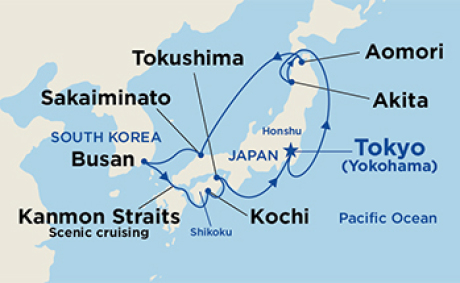
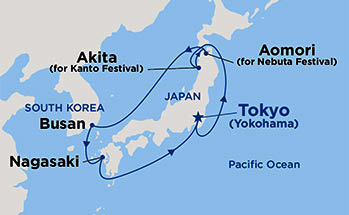
| Day | Date | Date | Location | Arrive | Depart | ||||||||
| 1 | Sun | Aug 4 | Tokyo (Japan) | 5:00PM | |||||||||
| 2 | Mon | Aug 5 | At sea / morning CME | ||||||||||
| 3 | Tue | Aug 6 | Akita (Japan) | 7:00AM | 11:00PM | ||||||||
| 4 | Wed | Aug 7 | Aomori (Japan) | 10:00AM | 11:00PM | ||||||||
| 5 | Thu | Aug 8 | At sea / morning CME | ||||||||||
| 6 | Fri | Aug 9 | Sakaiminato (Japan) | 6:00AM | 5:00PM | ||||||||
| 7 | Sat | Aug 10 | Busan (South Korea) | 7:00AM | 6:00PM | ||||||||
| 8 | Sun | Aug 11 | At sea / morning CME | ||||||||||
| 9 | Mon | Aug 12 | Kochi (Japan) | 7:00AM | 11:59PM | ||||||||
| 10 | Tue | Aug 13 | Tokushima (Japan) | 7:00AM | 11:59PM | ||||||||
| 11 | Wed | Aug 14 | At sea / morning CME | ||||||||||
| 12 | Thu | Aug 15 | Tokyo (Japan) | 6:00AM |

The CME will be held on the Diamond Princess only during her four "sea day" mornings; i.e., Monday, August 5; Thursday, August 8; Sunday, August 11; and Wednesday, August 14. Each session will be from 8:00AM-12:30PM, for a grand total of 50.0 Mainpro+ credits.

Social gatherings include our All Aboard Party on Monday, August 5 (at 4:30PM), our Turning Japanese Party on Sunday, August 11 (at 4:30PM), and our Sayonara Lunch on Wednesday, August 14. And throughout our journey we'll be providing travel tips from our experience with the ship and Japan to ensure you get the most out of your experience.
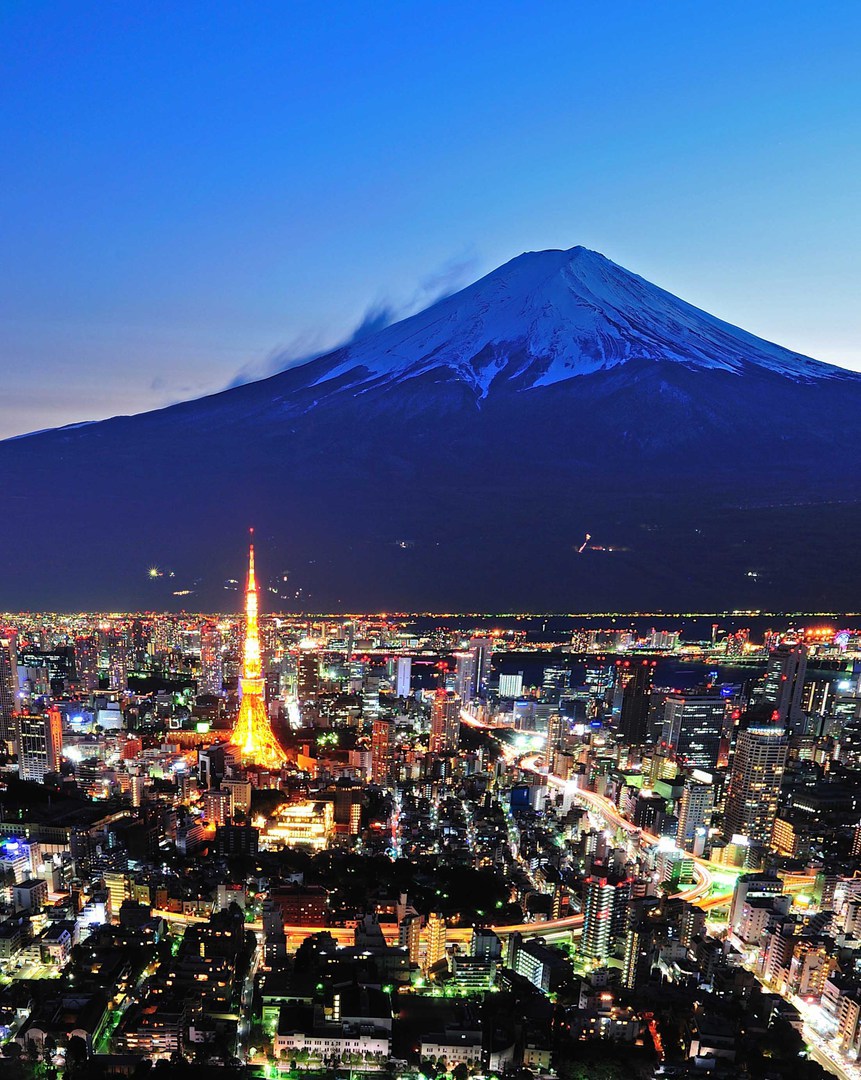
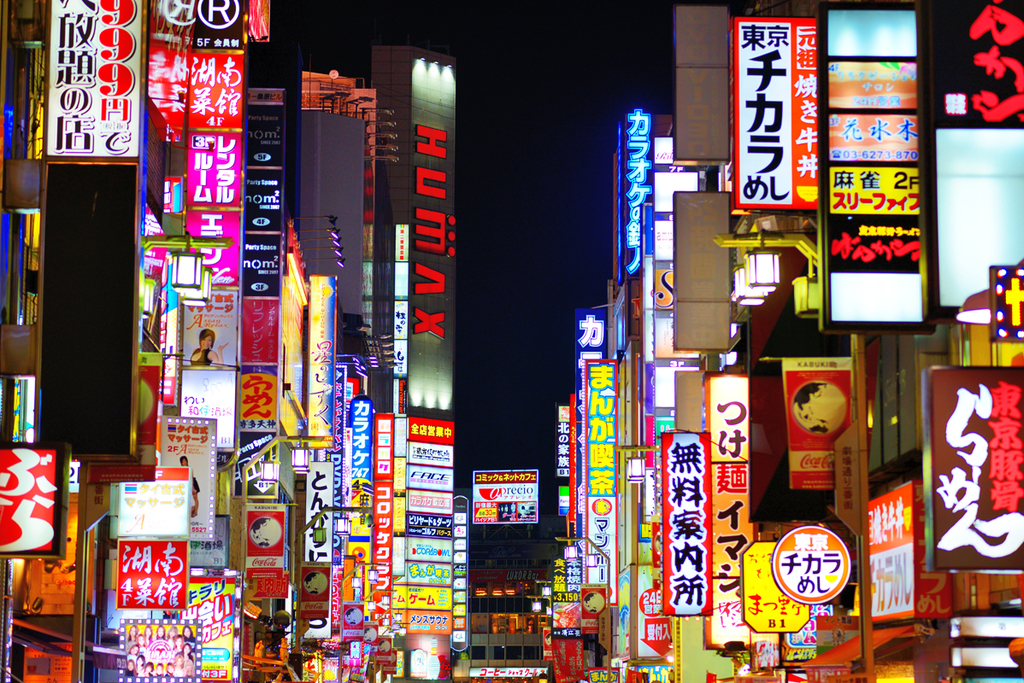
Tokyo is the world's most populous city (now over 40 million) with the sophistication to match. The Harajuku District is teaming with colorful Harajuku girls, whose fashions inspire teens and music videos around the world (short documentary). For the boys (of all ages) in your traveling party, consider dining at the nearby Tokyo Ninja Restaurant. Akihabara is Tokyo's electronics district, showcasing nifty devices years ahead of anywhere else on earth. "Akiba" is also the world home of otaku (anime & manga) culture. Shibuya's scramble intersection is the world's busiest, and walking across it is an experience you'll never forget (you can also view it from a Starbuck's perch). Ginza is among the world's most sophisticated shopping districts, with upmarket boutiques and ritzy sushi & cocktail bars galore. The brand-new Kusama Museum, which is devoted to the world's most popular living female artist, is guaranteed to make you smile. Tokyo rock bands like BAND-MAID may explode some of your stereotypes. The entry to the serene Meiji Shinto Shrine is a massive 40 foot high torii gate, and the overall size is over 175 acres. Tokyo's central kabuki theatre re-opened in 2013, with daily shows that are unquestionably Japanese. The Yūshūkan War Museum houses the largest collection of Japanese WW-II artefacts, and is essential for any history buff. The brand-new Toyosu Fish Market (opened October 11, 2018 at a cost of $5 billion USD) is by far the world's largest at over 100 acres. And on, and on. You can get to it all on the Tokyo Metro, considered so reliable and safe that Japan's children (as young as five) use it to commute to school. And if any attraction has a queue, these days you may be relaxing in a self-driving chair.
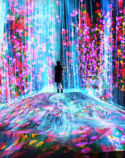
"Mind-blowing" is a woefully inadequate descriptor for the new TeamLab Borderless "light museum". Almost immediately after opening on June 21, 2018 the light museum became one of Tokyo's most Instagrammable spots. Advanced tickets are absolutely required, and if possible pick a quieter day & time (Google suggests Tuesday mornings). Allow several hours for wandering around (the displays are changing constantly) and plan to spend time in the mesmerizing En Tea House (more tips). Adults are ¥3,200 and children (4-14) are ¥1,000.
Mount Fuji is the icon of Japan, and it's located just 100km SW of Tokyo. During the official hiking season (July 1 to September 14) a bus runs directly from Shinjuku Station (a 15min walk from the Park Hyatt, made famous in Lost in Translation) to the most popular trailhead (Subaru Line 5th Station). If you're fit, summiting will take you about 5hrs, and the descent about 3hrs. It's a very long day, but barring serious dementia, it's an experience you'll never forget. Both Japan-Guide and the JNTO have helpful hints. And Dr. Dubord (who climbed Fuji-San in both 2017 & 2019) is able to add some first-hand perspectives.
DAY 1. Tokyo. All aboard in the port of Yokohama at 5:00PM.
DAY 2. At sea, with CME from 8:00AM to 12:30PM.
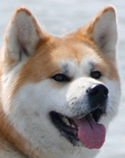
DAY 3. Akita is located in the northwest corner of Japan’s main island of Honshu, in an area dominated by the traditional industries of fishing, forestry, and farming. The hardy & loyal Akita dog is from there (yes, including beloved Hachiko), and there's an entire museum dedicated to the fluffy breed in nearby Odate. Arguably even better, Akita is famous for rice cultivation and sake breweries ("Kanpai" to it having the highest sake consumption in all of Japan). Those in the know (which now includes you) ask for "jizake", which means sake that's locally brewed. Nearby Kakunodate ("Little Kyoto"), founded in 1620, is famous for its remarkably-unchanged Samurai District. The Akita prefecture has many hot springs (with associated onsens), especially surrounding Lake Tazawa. The artsy may enjoy the Akita Museum of Art, with its large collection of works by the cat-lover Leonard Foujita (Japan's best known western-style artist). But best of all is our timing: we'll be in Akita for the world-famous Kanto Festival, held for just five days each summer (see below).
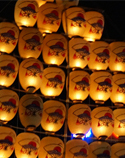
SPECIAL TREAT: Akita's Kanto Festival. The Kanto Matsuri ("Pole Lantern Festival") is held in Akita every August 3 to 7 (we'll be there August 6). The highlight of the festival is an impressive display of strength, skill, and folly in which parading performers lift & balance kanto (long bamboo poles) with arrays of paper lanterns attached to their ends. Kanto poles are up to 15m high and weigh 50kg, and they sport up to 46 paper lanterns (count them!). Each of the 46 lanterns is lit with its own real candle, making the arrays look extraordinarily cool at night. To the sound of drums & Japanese flutes, and with onlookers (including our group) chanting "Dokkoisho, dokkoisho" (loosely translated as "Heave-ho"), each kanto is hoisted up by a kanto performer. Performers balance their poles with a variety of creative techniques (e.g., on their hands, hips, shoulders, and foreheads), and the most accomplished simultanously waive their hands. Performers take turns every few minutes, adding on bamboo extensions until each kanto pole reaches a terrifying height. And yes—sometimes the kanto poles do fall—which is all part of the hysterical fun. Click here for a video.
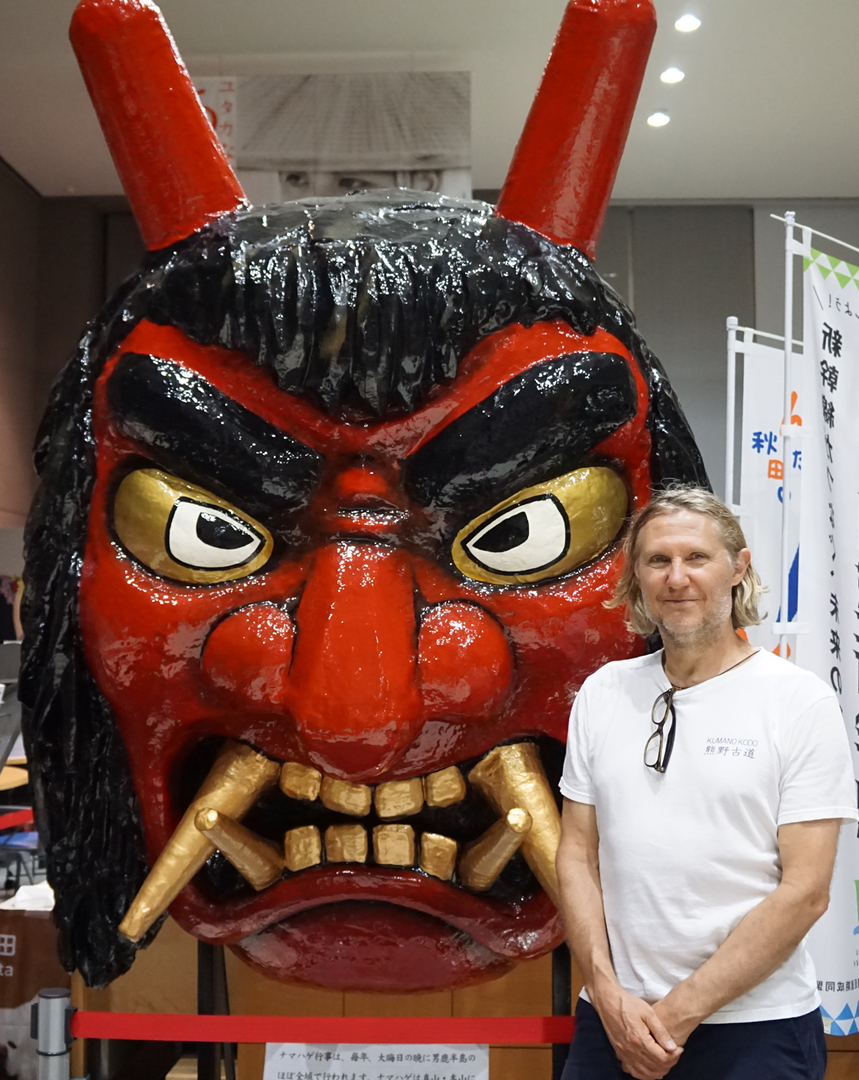
Akita Prefecture is also famous for the Namahage Festival, which is now designated as a UNESCO Intangible Cultural Heritage. Each New Year's Eve, men dress up as frightening ogres, donning demonic masks and brandishing long knives. At night the ogres descend from the mountains with torches, going door-to-door in groups of two or three, admonishing children who are guilty of being "cry babies" or "lazy" (i.e., by Japanese standards). In these modern times, parents can book "namahage appointments" online to assist them with their idiosyncratic parenting challenges. Although we'll miss the dramatic winter festival, there's a museum in nearby Oga, where you too can dress up as a namahage for that long overdue little chat with your own children. Watch a short video of how it's done here. No more lazy children!

Bucketlistosis (noun): Angst (up to & including existential) precipitated by the knowledge that one is aging without having visited dream destinations.
Treatment: One CBT Canada workshop annually.
DAY 4. Aomori is pastoral Japan, deriving much of its beauty from the surrounding cherry & apple orchards. The snow-covered Hakkoda Mountains—widely considered a powder skiing mecca—look on from a distance. Towada-Hachimantai National Park offers hikers the chance to discover ancient forests, hot springs, and lava domes. Lake Towada is a breath-taking crater lake, with water so translucent you can see 32 feet below the surface. You can indulge in fresh seafood donburi at the Fish Market, investigate the Hakkodamaru Memorial Ship, and discover the Sannai Maruyama Site (the largest ancient Jomon village in Japan).
Aomori is renowned for the exuberant Nebuta Festival, which many consider the best in Japan. Participants push enormous paper floats down the street, drumming on massive taiko drums and blowing on flutes and energetically dancing all the way. You'll see giant samurai warriors, ferocious animals, and a wide array of anime & manga characters. Although marching in the Nubuta parade is the ideal and also possible (see below), just watching it is exhilarating, and the Nebuta Museum houses the prior year's top floats. But however you experience the Nebuta, make sure you have a very large camera card!
SPECIAL TREAT: Aomori's Nebuta Festival. Of all of Japan’s many summer festivals, Aomori Nebuta is the most celebrated. Dozens of giant brightly-lit floats are pushed along the darkened street by strapping young men, who spin them and weave them back & forth. Each float is accompanied by a team of taiko drummers, cymbal players, and manic flutists, along with hundreds of hopping dancers ("haneto") chanting "Rassera, rassera" (which apparently translates to absolutely nothing). If you have an acute sense of fun, you can dress up and join the parade (as Dr. Greg Dubord & his family did in August 2017 and again in August 2019). Our late-night departure from Aomori lets you experience all the wonder of Nebuta after dark, including the mind-blowing grand finale fireworks accompanied by the best-of-the-best floats on offshore barges (photos and video). Your inescapable conclusion will be that the Japanese know how to have fun better than almost any other culture. Life, is she not short? Do join us!
DAY 5. At sea, with CME from 8:00AM to 12:30PM.

Traveling solo? If the cruise line's "single supplement" is deterring you, our Amazing Arlene may be able to help. Call (877) 466-8228 or email vacation@cbt.ca for details.
DAY 6. Sakaiminato is a small fishing port wedged between verdant mountains and the Sea of Japan. For centuries Sakaiminato has been esteemed for its seafood, including crab and the sublime hon-maguro (bluefin tuna), the latter costing up to $3.1M per fish (by two and get one free?). Fortunately, all the local seafood can be sampled at a very economical price at kaiten ("conveyor belt") sushi restaurants (including one in the main Japan Rail Station). Just west of the town of Sakaiminato lies Izumo-taisha, likely the oldest Shinto shrine in the world, which is dotted with burial mounds from Japan's Bronze Age. To the east rises sacred Mt. Daisen ("Hoki Fuji"), with a Buddhist temple half-way up, and shimmering vermillion torii gates at the summit. The nearby "Water City" of Matsue boasts a samurai district and the Black Castle, built in 1611. The Black Castle is an imposing black-walled six-story structure that's the 2nd largest & 3rd tallest of Japan's many castles. Nearby Adachi Garden is mind-blowingly Zen, and ranked by many as one of Japan's most beautiful gardens (WARNING: You may want to spend the rest of your life there). But if it's frivolity and merriment that you seek, you'll find the 153 bronze "yokai" statues along Mizuki Shigeru Road to be the highlight of Sakaiminato. Shigeru's manga demons are weird, and they're wonderful, and they could only be in Japan. Many people photograph all 153!
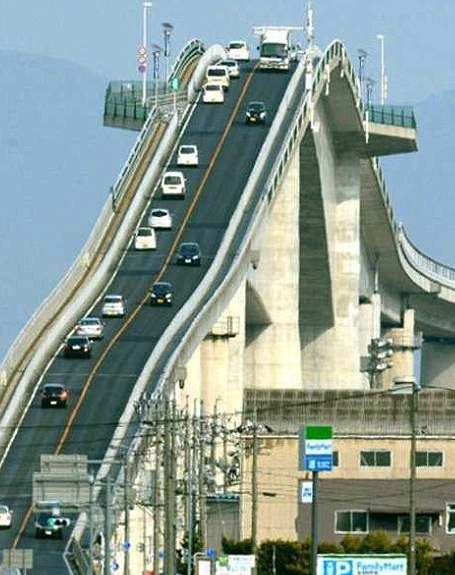
That Crazy Japanese Bridge is one of the links between Sakaiminato & Matsui (map). The Eshima Ohashi Bridge is best photographed from 1km away using a telephoto lens. Why? Because telephotos flatten perspective. The mile-long bridge is located very near the port, and if you're going on a tour (e.g., of Adachi Garden), you'll almost certainly be crossing it. But don't be afraid: the slope is a maximum of 6.1%, and even a little Japanese "kei car" like the Daihatsu Tanto can make it (video).
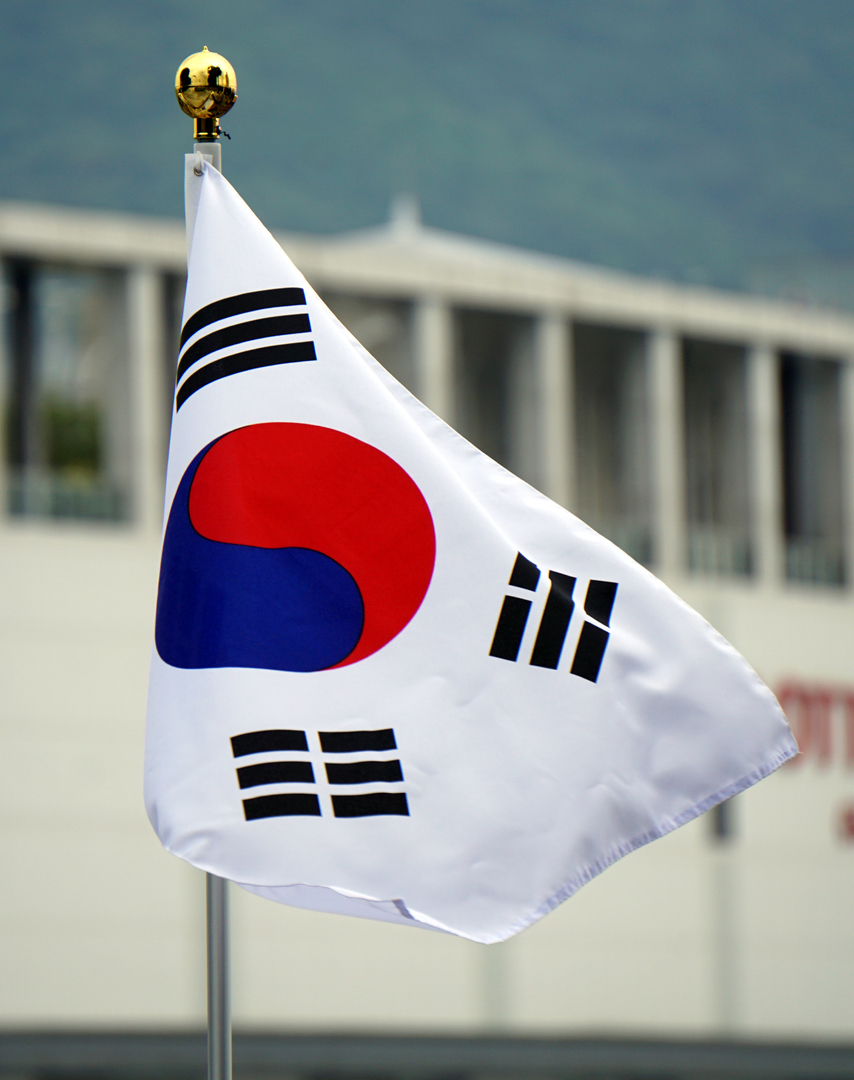
DAY 7. Busan is a microcosm of Korea, the home of one of Asia's most successful and proudest cultures. In bustling Busan, you'll see ultra-modern high-rise towers surrounding Shinsegae, the world's largest department store (Guinness), all of which now dwarfs the serene grounds of the city-center Yongdusan Park and countless ancient Buddhist temples.
Busan is an oceanside town, and its beaches are among the best of any major city (reviews). From many of them (and from popular glass skywalks) the scenery is spectacular, including of some oddly-shaped ocean rocks. While you're down by the water, consider experiencing the dynamic Jagalchi Fish Market, where you'll see some very weird fish in tanks, and where you can eat some live octopus (with caution). Although the locals insist it's ergogenic, Dr. Dubord's "n-of-1" trial in August 2019 was equivocal (clearly more research must be done).
Busan's large artistic community is centered around Gamcheon, a "cultural village" with brightly-painted houses lining steep & twisting streets. Film buffs may be interested in the $150M BIFF complex, home of the largest film festival in Asia. K-Pop is everywhere these days, so keep an eye out PSY (Gangnam Style) and BTS (e.g., Boy With Luv) when you're on the town.
Historical note: It's hard to tell today, but South Korea's second largest city was the scene of bitter fighting during the Korean War (1950-53). Over 2.2 million Koreans died in that war (over 4X as many as in WW-II). Over 26,000 Canadians fought for the south c/o the UN Command Headquarters and staging bases hosted by Japan, and you can pay your respects at Busan's United Nations Cemetery.
DAY 8. At sea, with CME from 8:00AM to 12:30PM.
DAY 9. Kochi is located on Shikoku, the smallest & least populous (<4 million) of Japan's four main islands. Kochi takes its name from the great hilltop feudal castle (1611) that dominates the city. The tosa (Japanese mastiff) dog breed originated in Kochi and now has its own museum. Chikurinji Temple atop nearby Mount Godaisan is an important stop on the Shikoku Buddhist Pilgrimage (#31 of 88). You can identify the Buddhist pilgrims by their distinctive white clothing, sedge hats, and kongo-zue walking sticks. Katsurahama Beach is truly stunning and is worth a visit on any warm day. Makino Botanical Garden is a gorgeous garden with a beautiful conservatory. The energetic & colorful Yosakoi Festival (held every August 9-12) attracts fans with its unique style of dance mixed with modern music... and we'll be there on August 12! For a collection of terrific movie shorts from VisitKochi, click here.
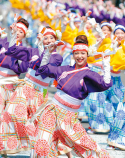
SPECIAL TREAT: Kochi's Yosakoi Matsuri. The Yosakoi Festival dates back to August 1954 and is one of Japan’s 10 largest festivals. The Yosakoi is a uniquely energetic & powerful dance festival that attracts fans from all across Japan—and has spawned imitators internationally (including Canada's Sakuramai). The choreographed dances are performed by teams of up to 150 wearing festive "happi coats". Dancers carry “naruko” wooden clappers and gyrate their hips in keeping with modern music. And we're in luck, because the Yosakoi Festival is from August 9 to 12 every year! You can learn more from Hanayamata (the popular mange & anime series based on yosakoi) or by watching this YouTube video based on the 2018 festival.
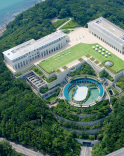
DAY 10. Tokushima began as a 16th century castle, the remains of which are now a museum. A good way to get oriented to the town is from the summit of 920 ft Mt. Bizan, accessible c/o cable car or a nice little hike. From there check the tide tables and visit the mesmerizing Naruto whirlpools, some of the largest in the world (and the inspiration for Masashi Kishimoto's famous Naruto manga series). Otsuka Museum of Art (see below) features over a thousand faithful reproductions of Western masterpieces. But if Western art isn't why you're in Japan, you may prefer the small but cute Awa Deko Puppet Museum. For a grander adventure, consider touring the spectacular gorges and vine bridges (e.g., Husband Bridge, Wife Bridge, & Wild Monkey Bridge) of the remote & mystical Iya Valley. Back in town, Tokushima is renowned throughout Japan for its colorful "fools" dance festival, the Awa Odori, attracting over 1.3 million visitors, and which dates back to 1586. The Awa Odori's Kaikan (museum) is also worth a visit.
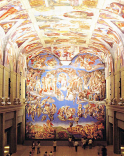
Tokushima's unusual Otsuka Museum of Art was completed in 1998 by Otsuka Pharmaceuticals (Japan's 5th largest drug company) at a cost of $400 million USD. The Otsuka is Japan's largest art gallery, with 7 acres and 2.5 miles of exhibits. The Otsuka features over 1,000 reproductions of Western masterpieces licensed from nearly 200 major museums in over 25 countries. The paintings are faithful, life-sized reproductions on ceramic boards baked at 1,300C (which apparently guarantees their survival for 2,000 years). The highlight is the full-sized reproduction of the Sistine Chapel ceiling. The vast majority of visitors rave about the museum—it's a special treat to view so many masterpieces under one roof—and the architecture, the grounds, and the restaurants are all terrific.
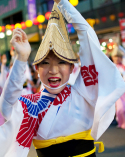
SPECIAL TREAT: Tokushima's Awa Odori. The Awa Dance Festival is held every August 12 to 15. The Awa Odori is part of the Buddhist Obon, and it dates back to 1586. It has grown to be Japan's largest dance festival, attracting over 1.3 million tourists annually. Groups of choreographed dancers are accompanied by musicians playing traditional Japanese instruments, including the shamisen lute, taiko drums, shinobue flute, and kane bell. Performers wear traditional Obon costumes, and chant and sing as they dance. Some of the larger ren (dance groups) also have a yakko odori (kite dance), involving a brightly-dressed acrobatic dancer, darting backwards & forwards, turning cartwheels & somersaults, with freestyle choreography. If this video doesn't make you want to party in Japan, then you're in sad shape.
DAY 11. At sea, with CME from 8:00AM to 12:30PM.
DAY 12. Return to Toyko (Yokohama) at 6:00AM.
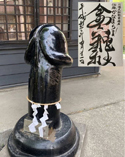
Tokyo has two major airports: Narita and Haneda. If you're flying out of Haneda and you have some time to burn, consider taking a 15 minute cab ride to the noteworthy Kanamaya Jinja Shrine. Although you'll miss the wildly-popular Penis Festival (sadly it's the first Sunday in April), there's still plenty to see at the urologists' Shinto shrine of choice. Traditionally Kanamaya has been visited by Japanese people seeking help with fertility and sexual health. For more information about Kanamaya (including some interesting photos), see The Economist, Newsweek and/or BuzzFeed.
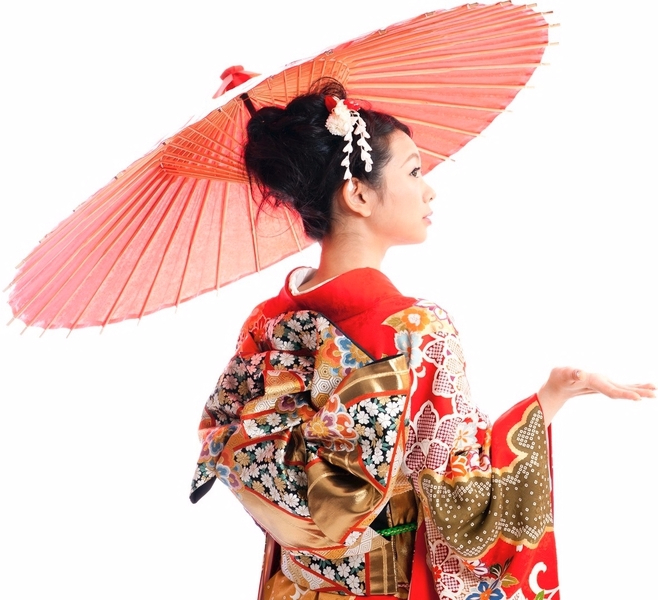
A CONFESSION: We're unabashedly in love with Japan! The warmth of the Japanese people, and the aesthetic refinement that permeates almost everything is truly extraordinary. Please consider staying with us for a few days pre-cruise at the Keikyu Ex Hotel Shinagawa.
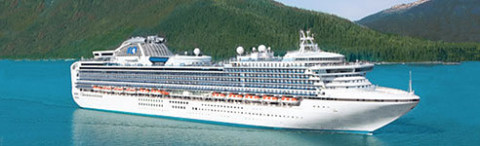 Diamond Princess
Diamond Princess has always been one of the favourites of the fleet, and she just underwent a refurbishment in April 2017.
- on-board casino
- 24-hour room service
- 24-hour internet cafe and library
- 9-hole putting course (Princess Links)
- extensive pools, hot tubs, and sun deck areas
- world-class art collection, gallery, and auctions
- state-of the art gyms with a full range of equipment
- Fun Zone and Teen Centre (for those 18 and under)
- Skywalkers top-deck nightclub and the Explorers Lounge
- first-run feature-length films shown under the stars at night
- duty-free shops, including Calvin Klein, Clinique, Estee Lauder, Fossil, Lladro, Swarovski, and Tommy Bahama
- Multiple dining options including 3 specialty restaurants (Sabatini's Italian, Sterling Steakhouse, and Ultimate Balcony Dining)
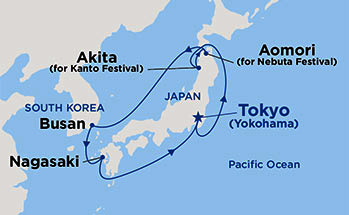
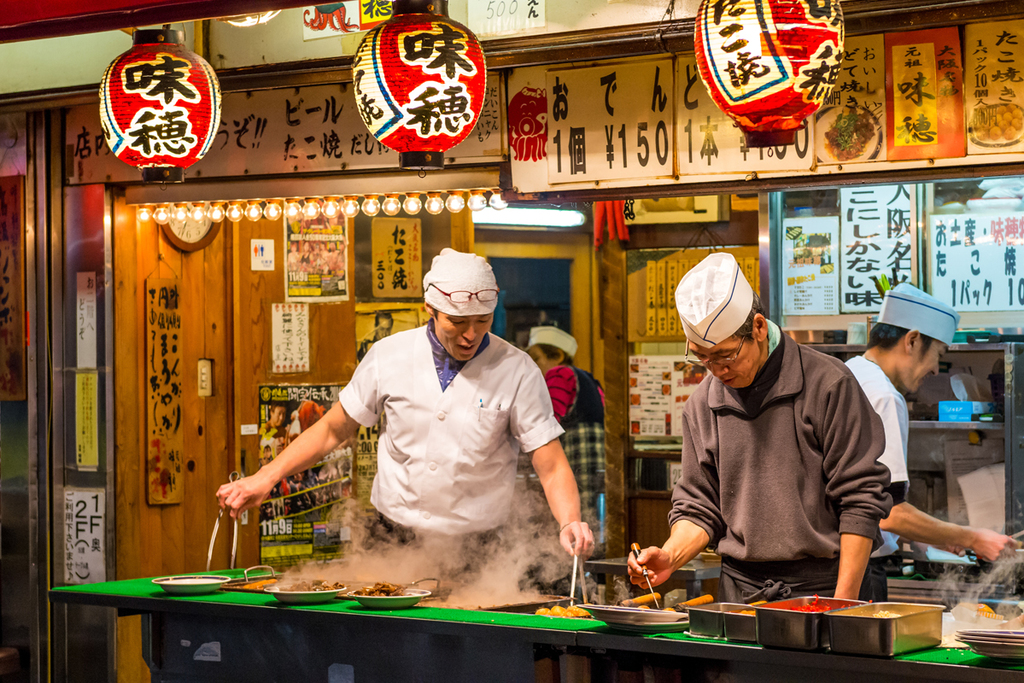
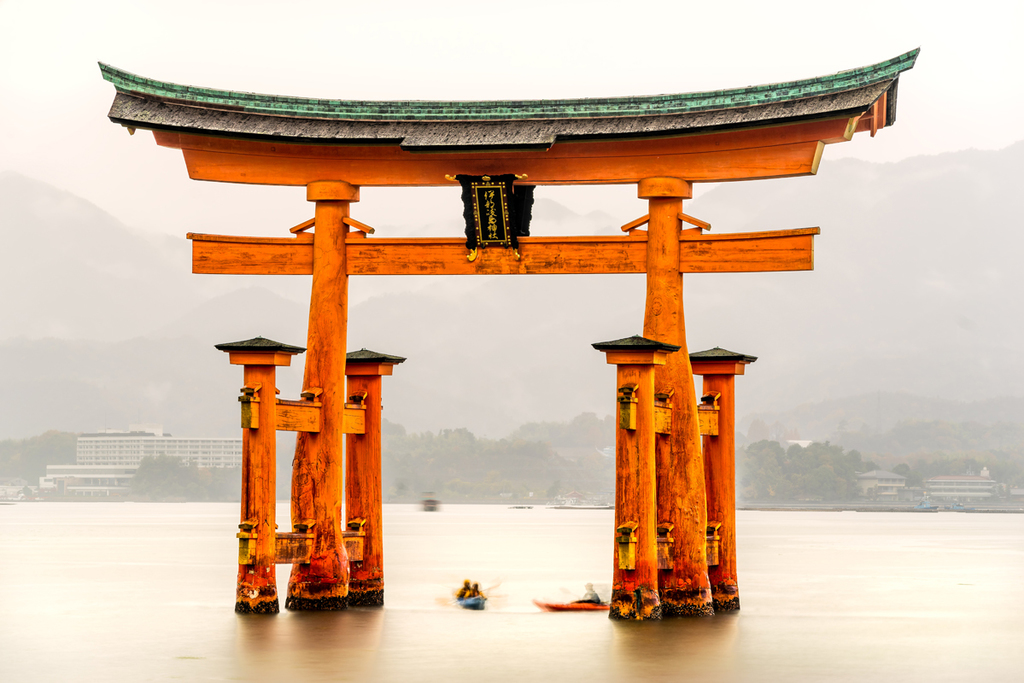
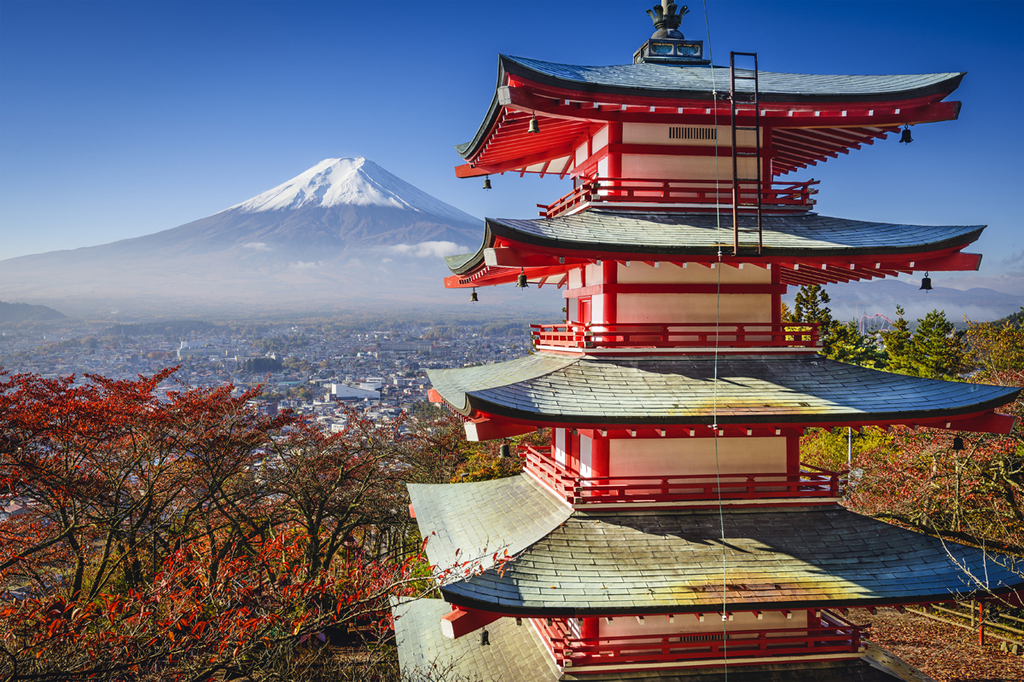
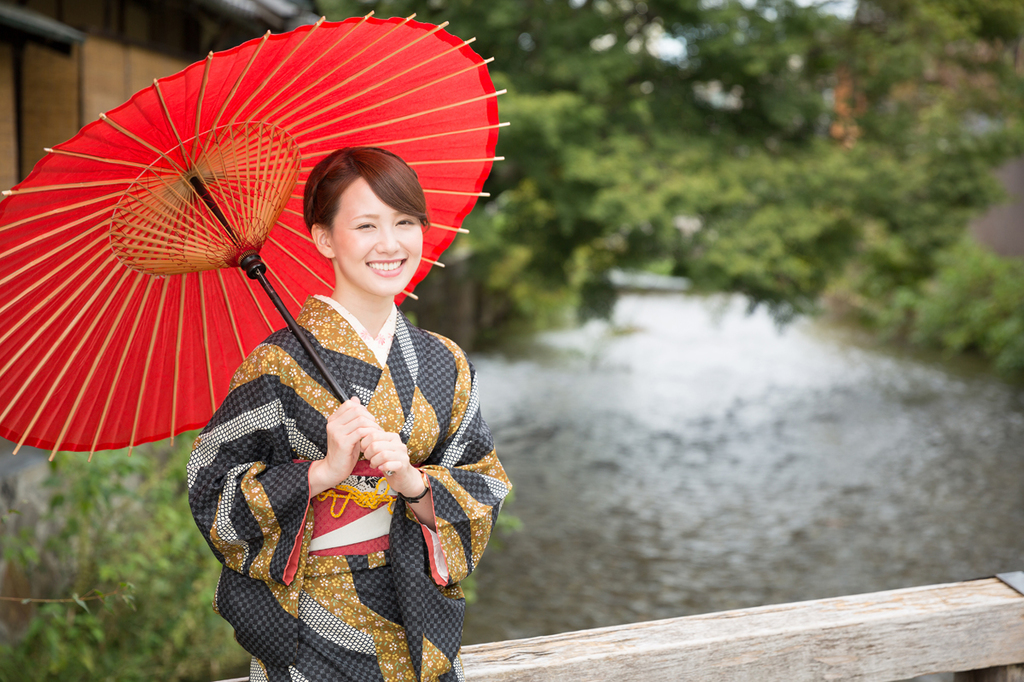
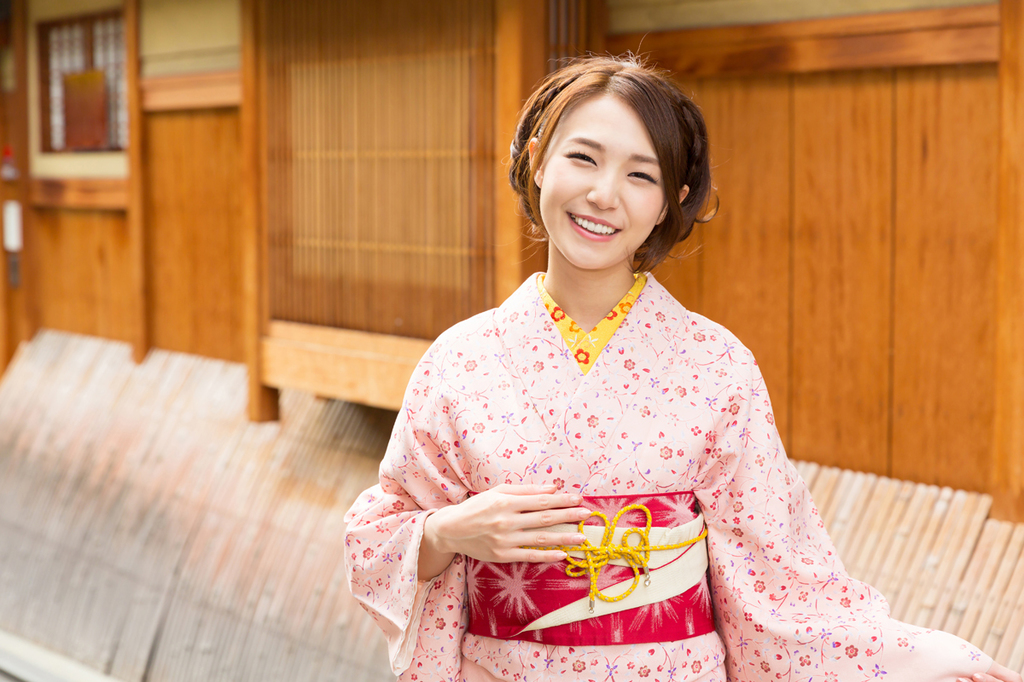
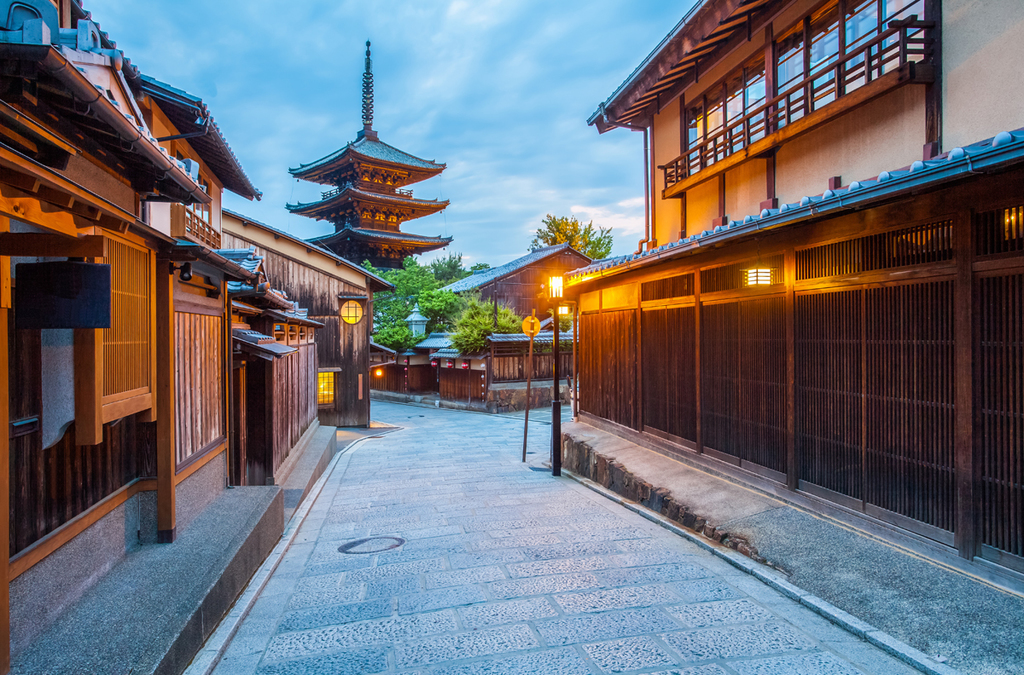
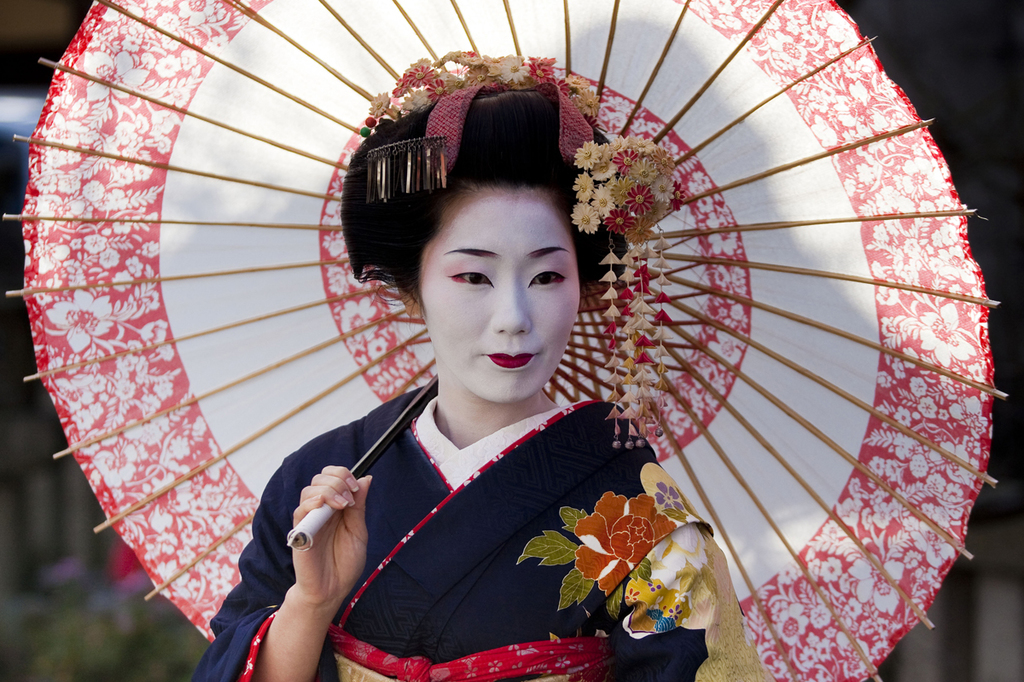
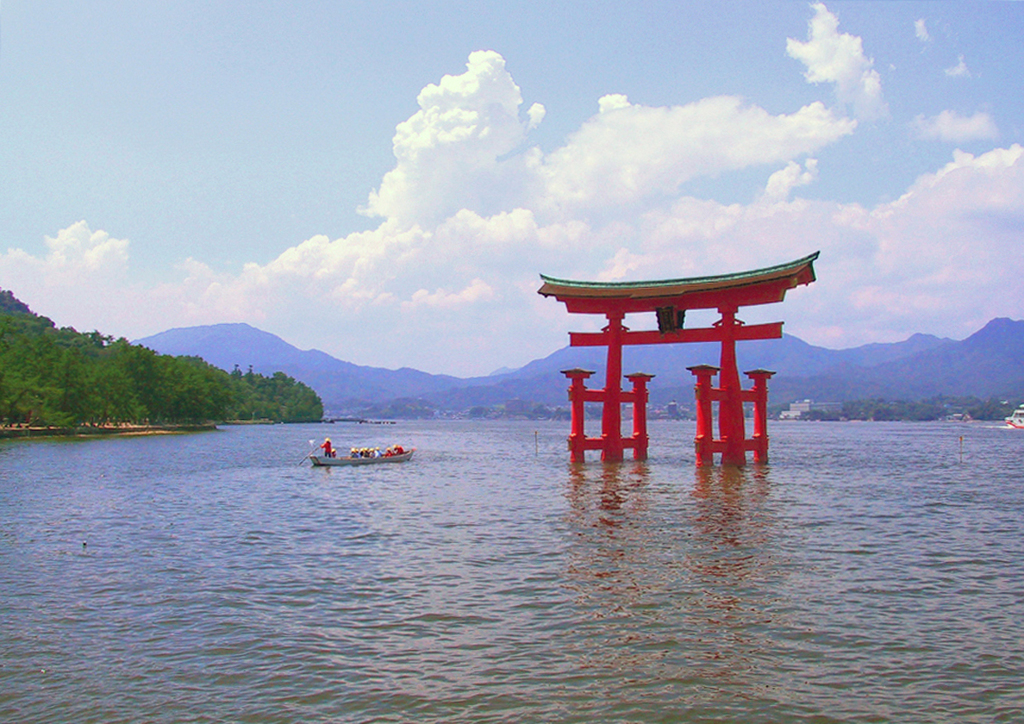
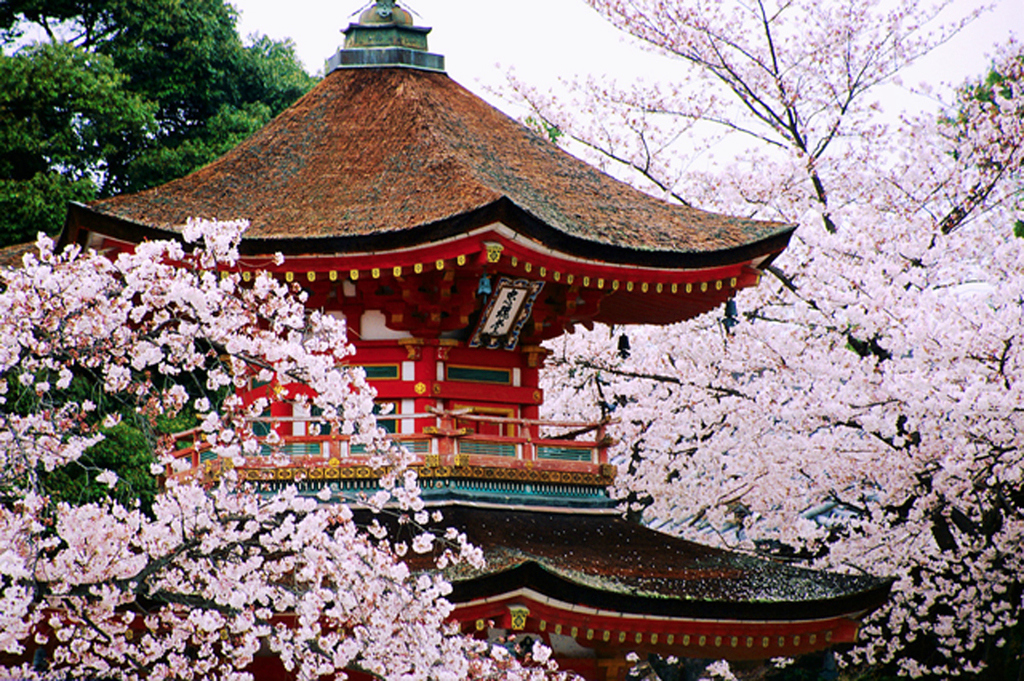
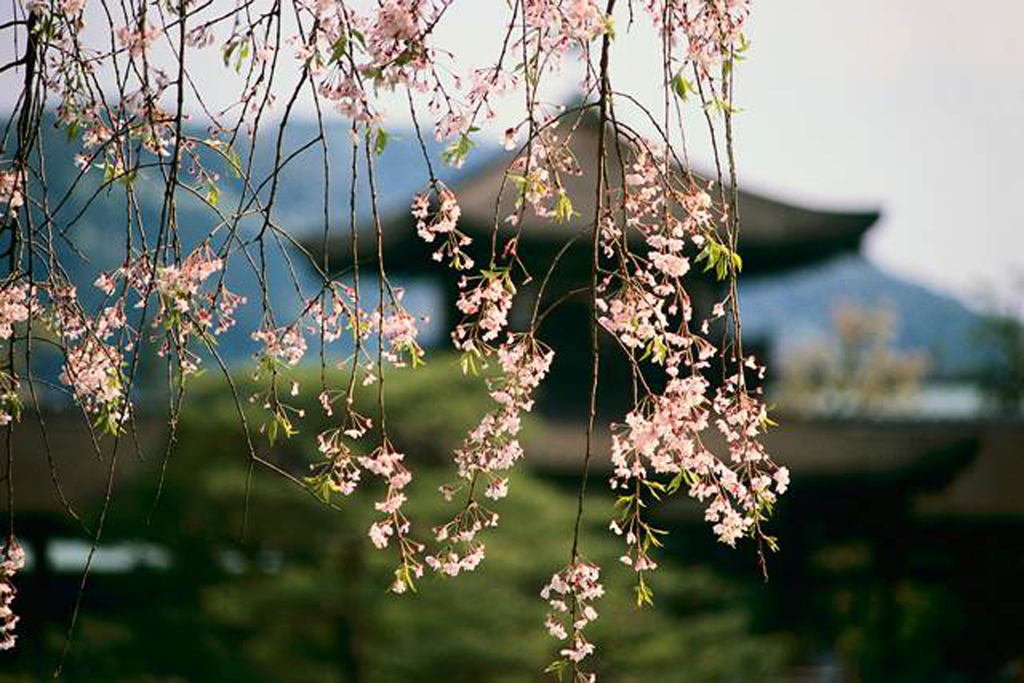
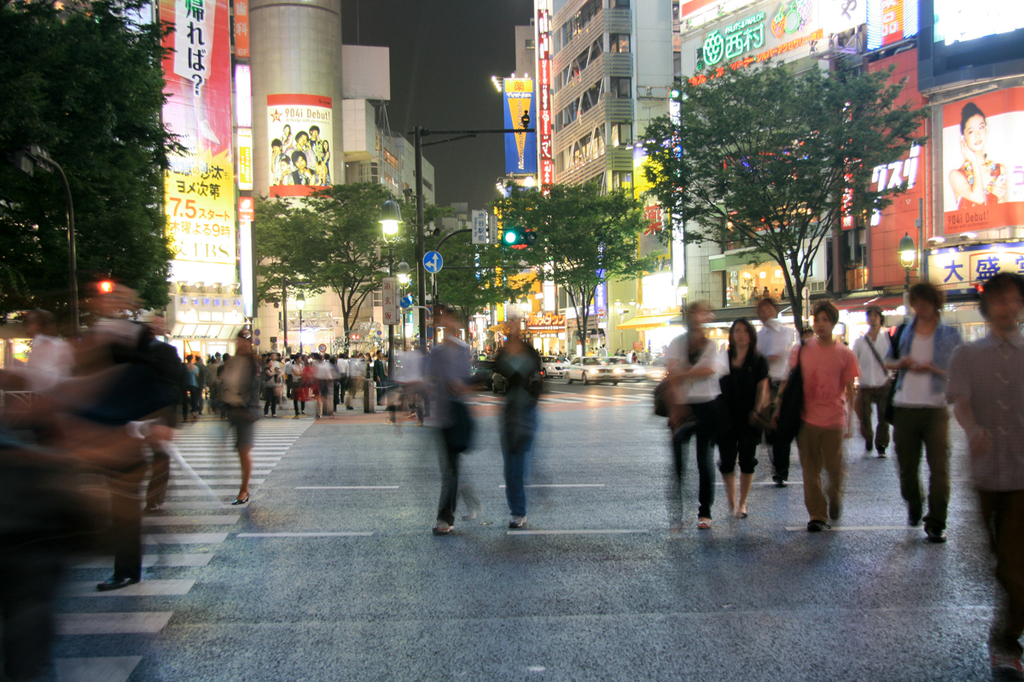
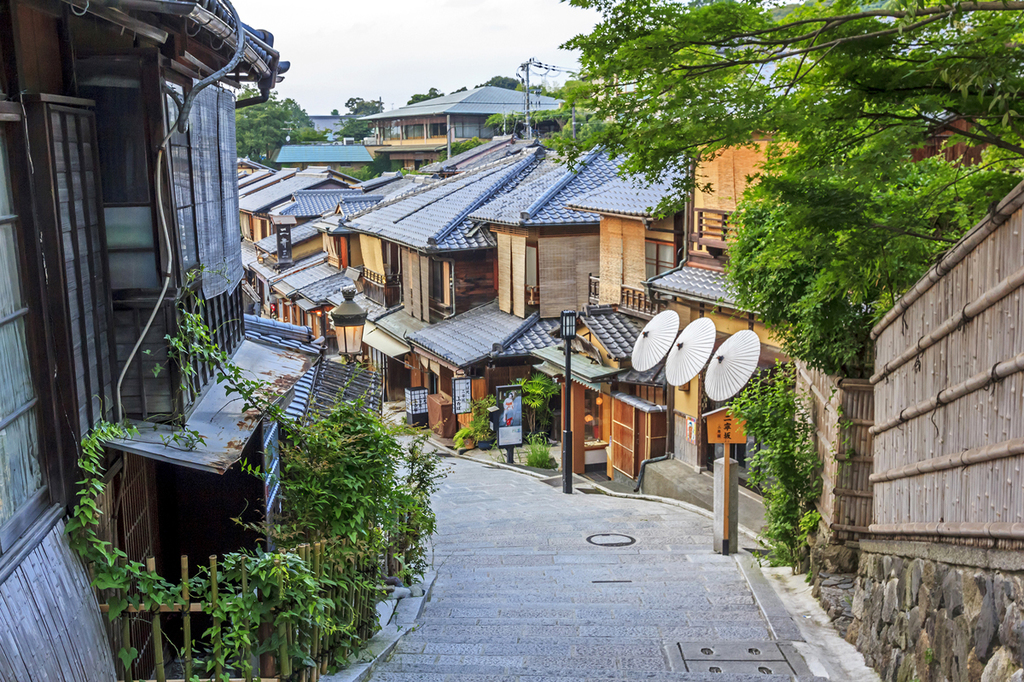
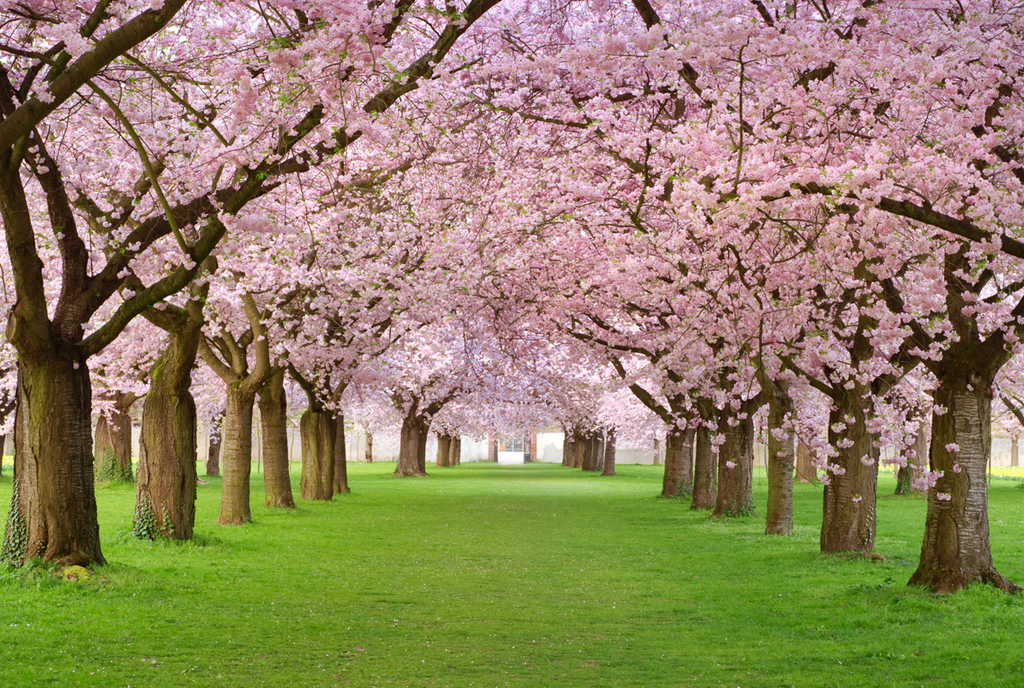
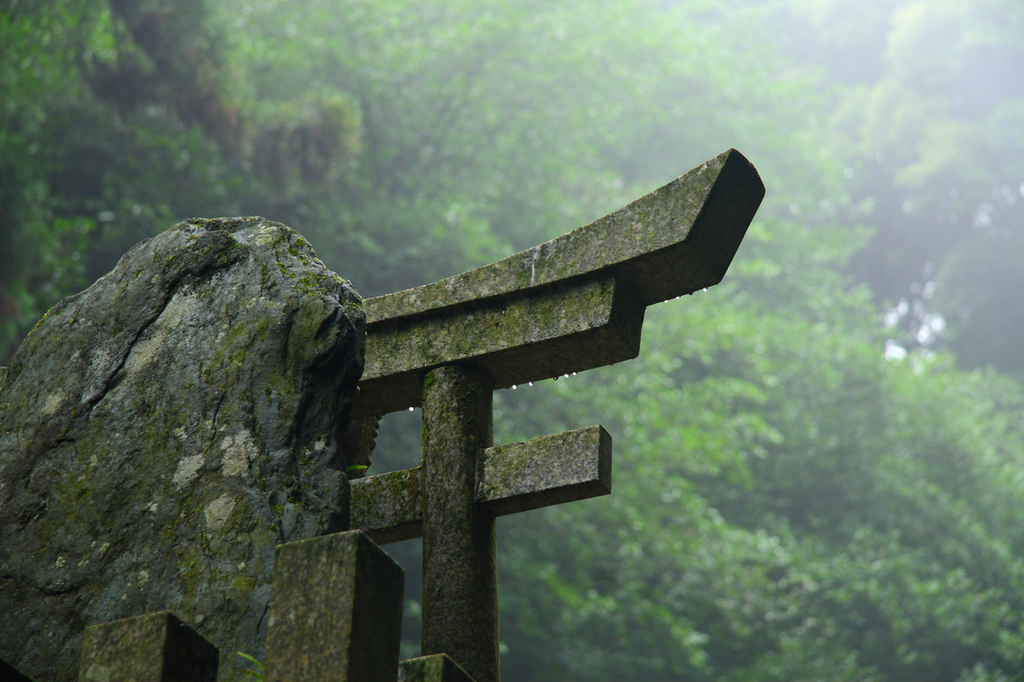
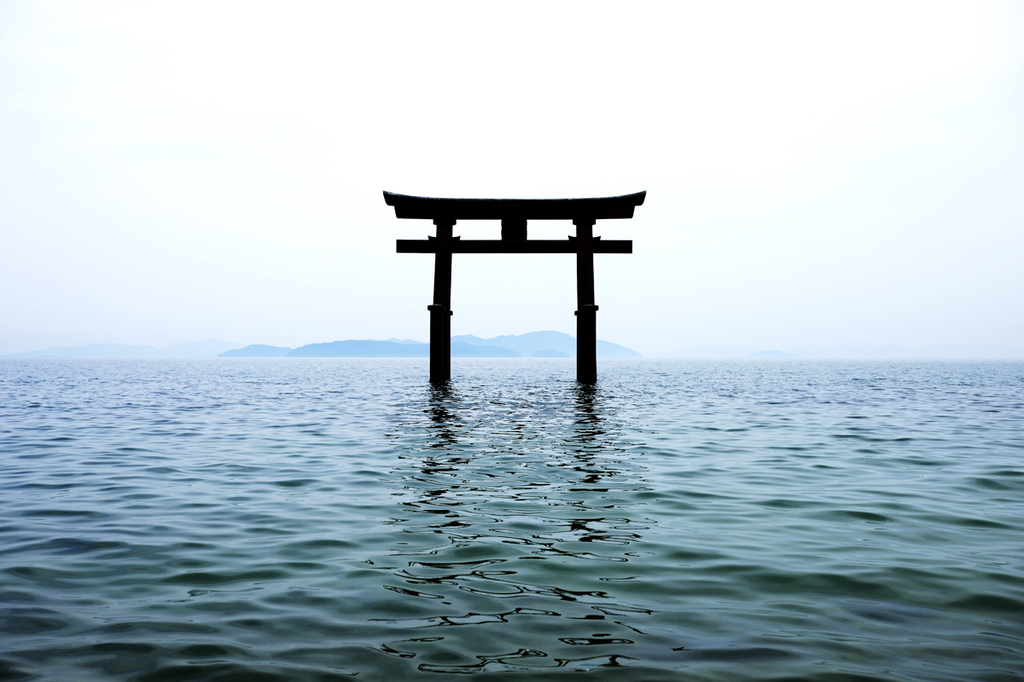
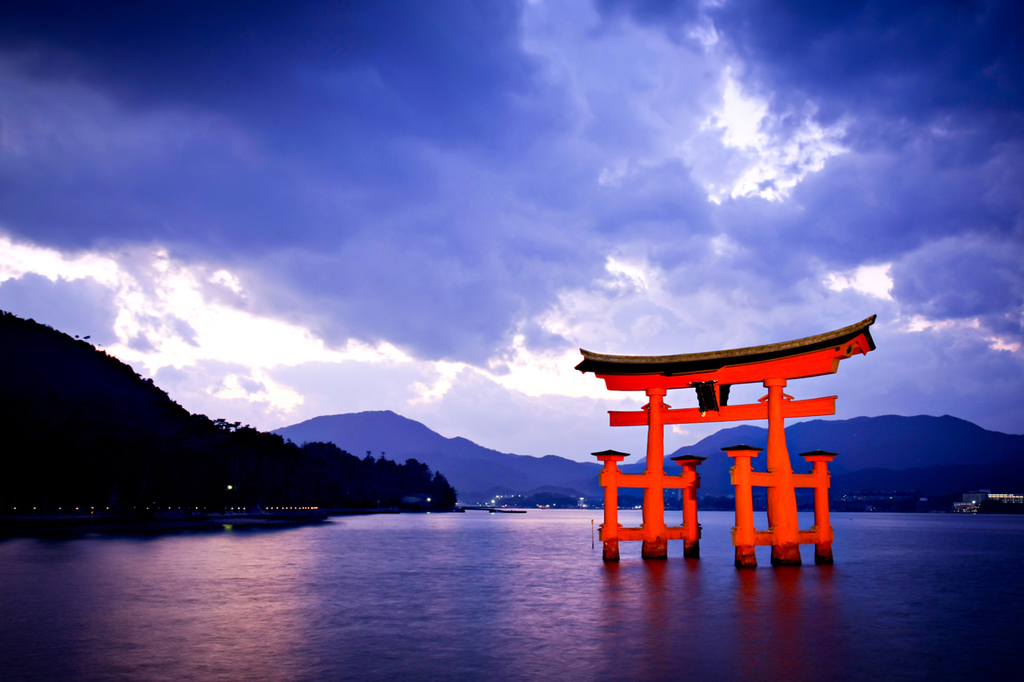
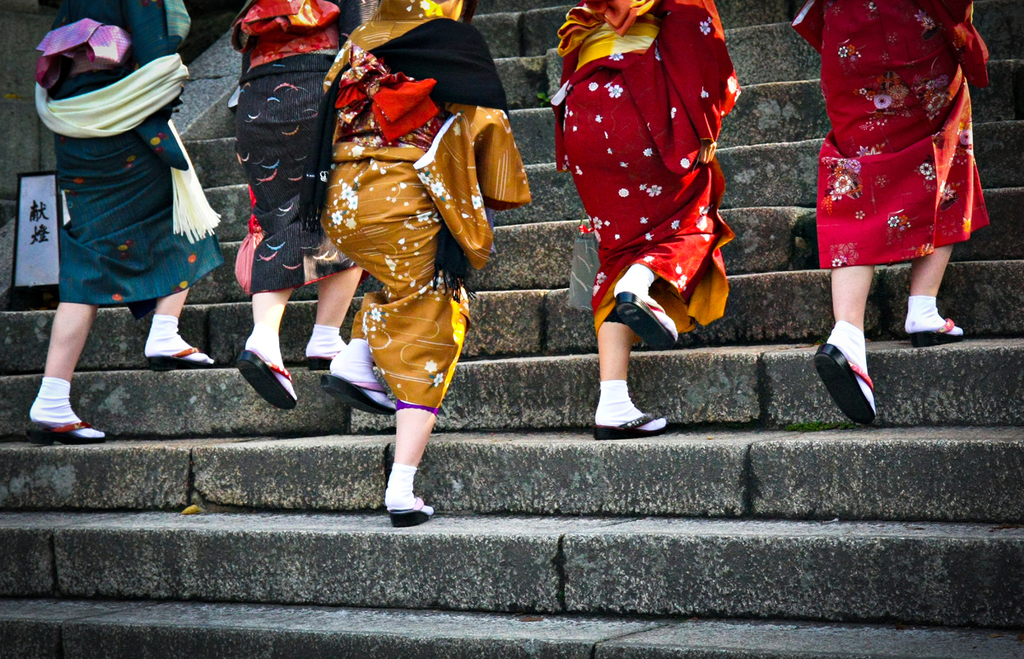
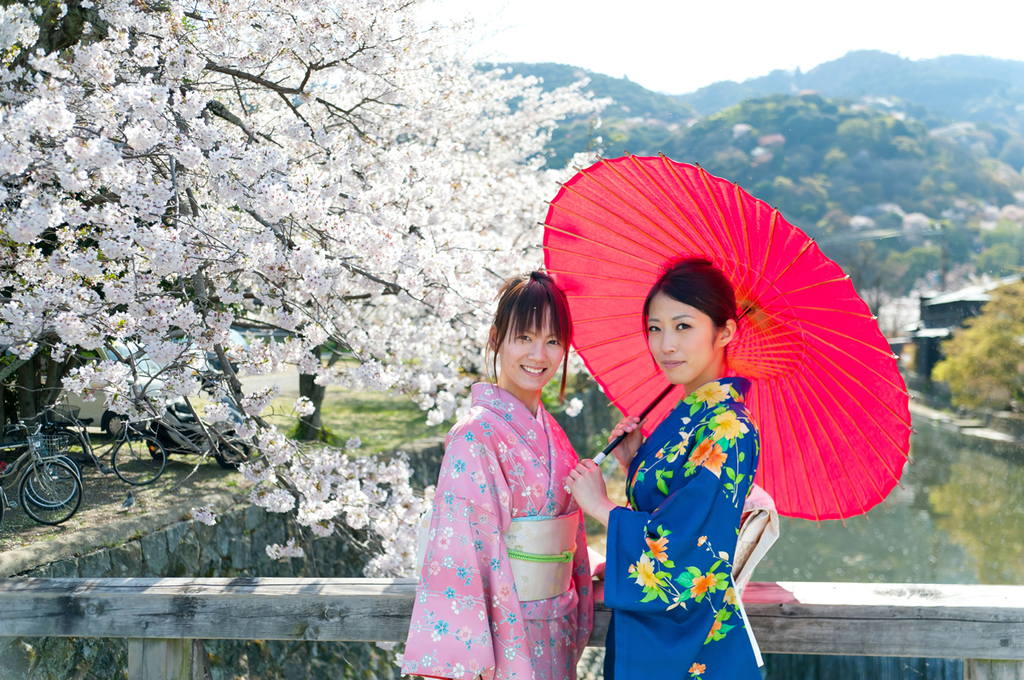
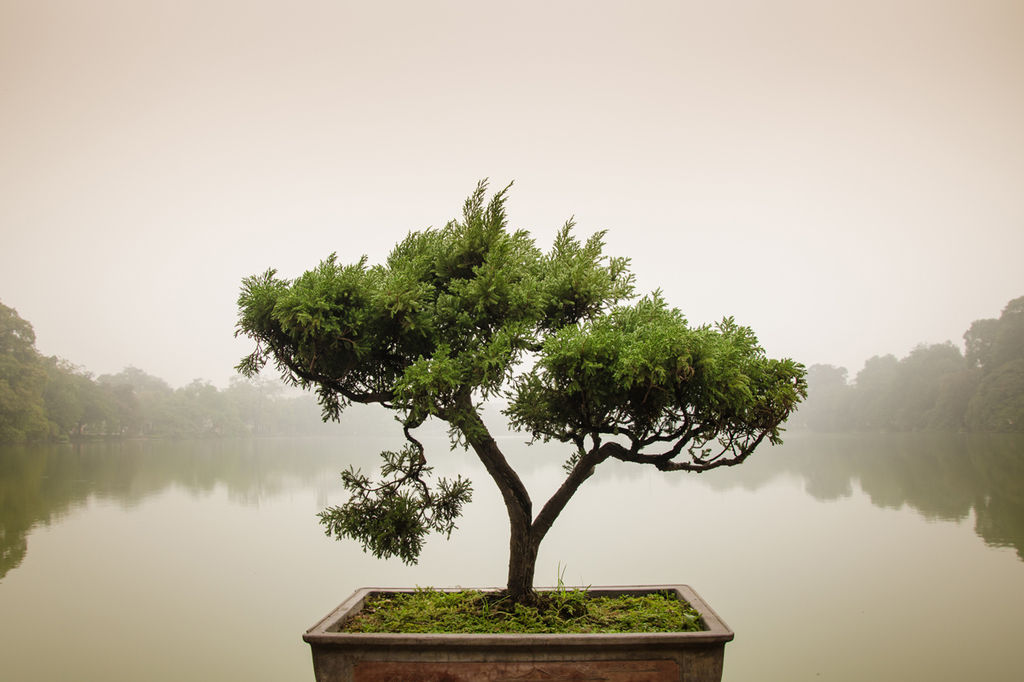
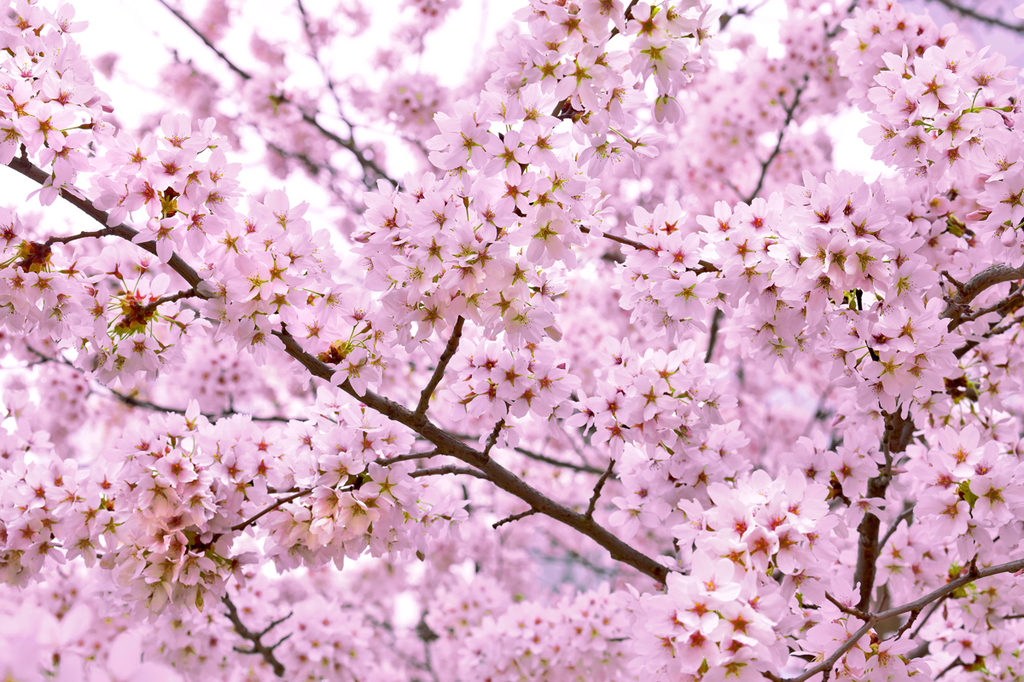
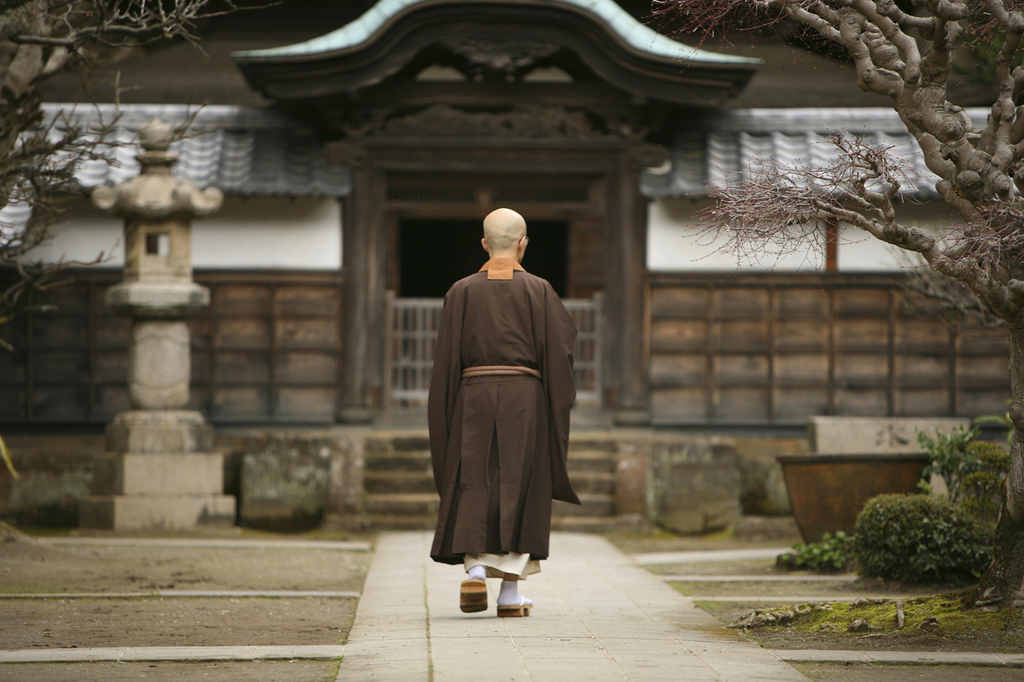
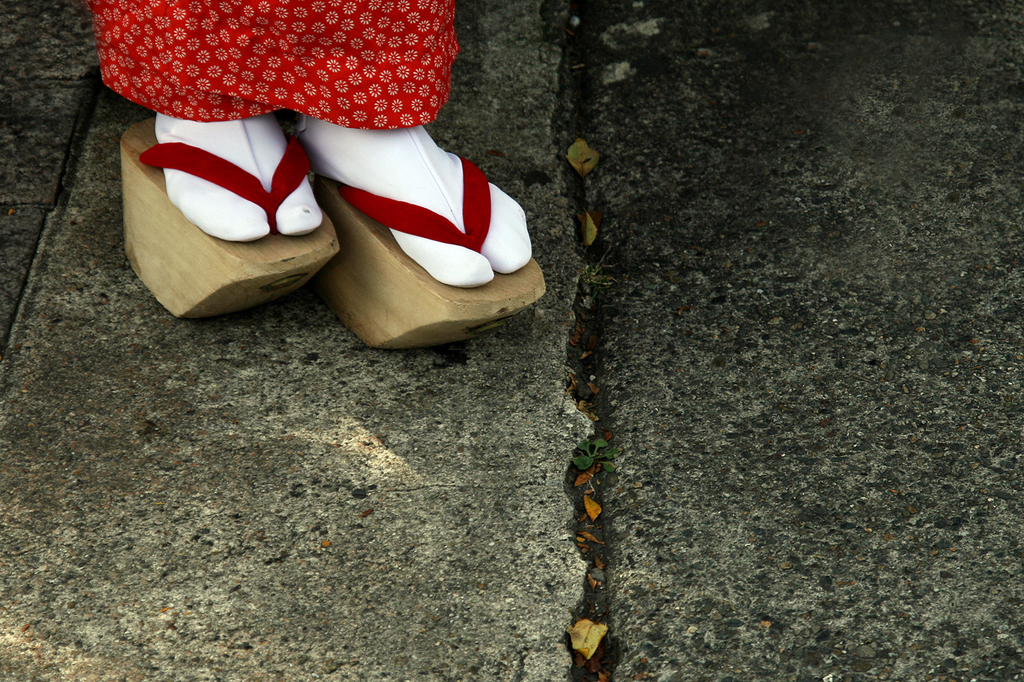
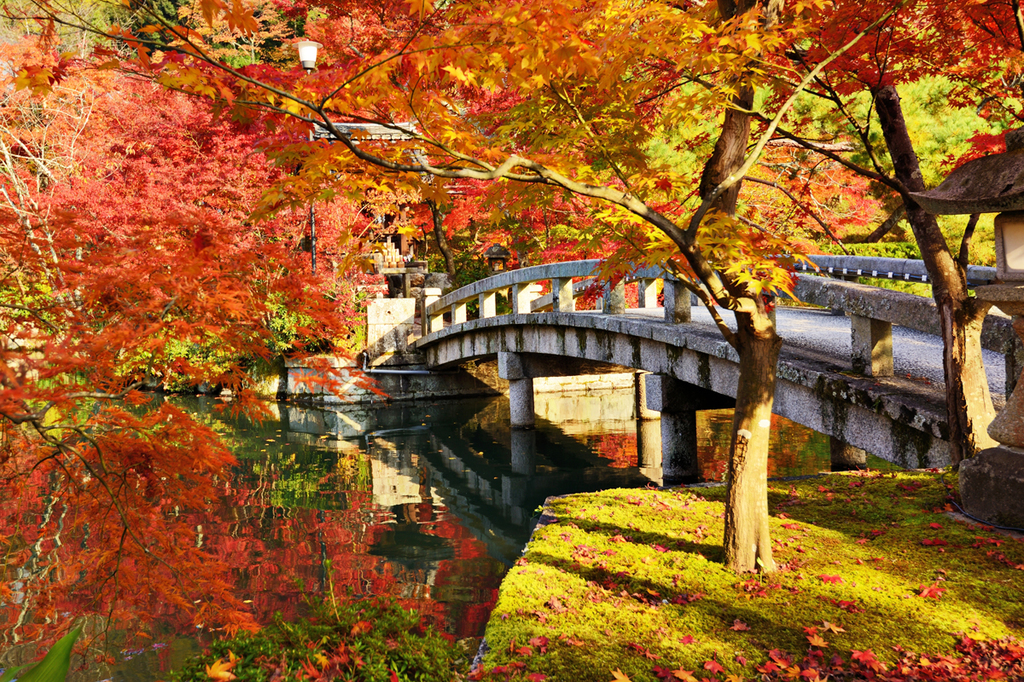
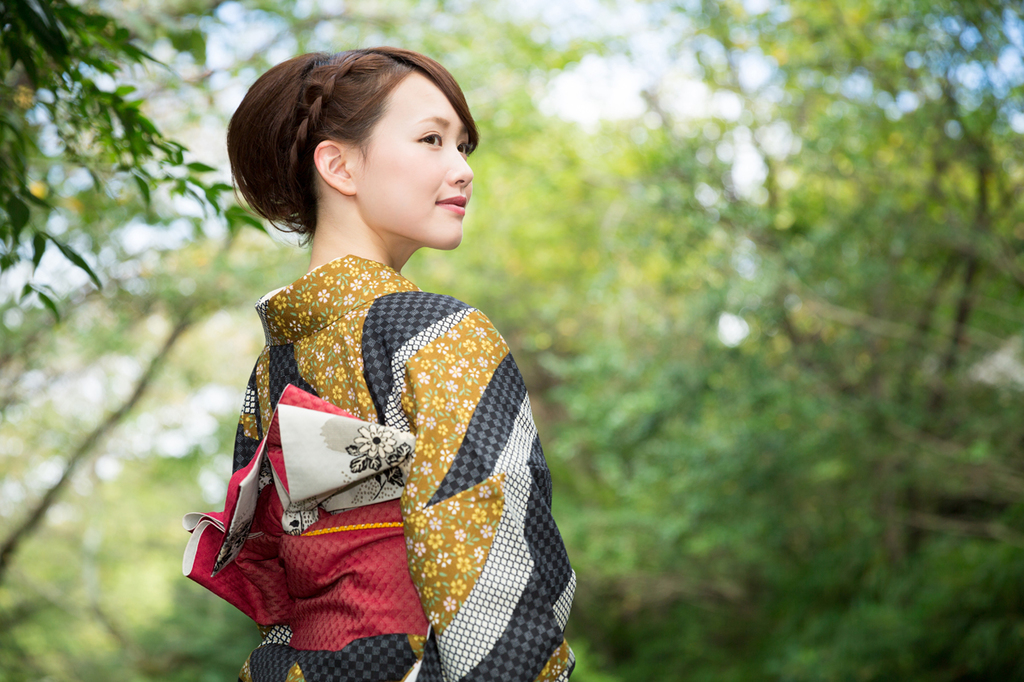
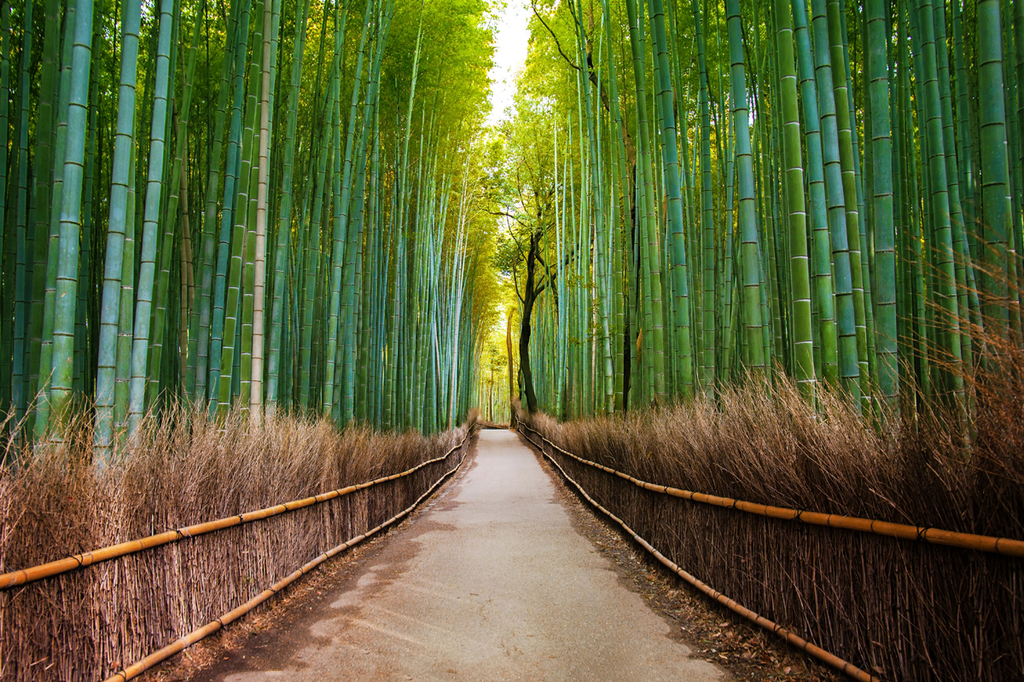
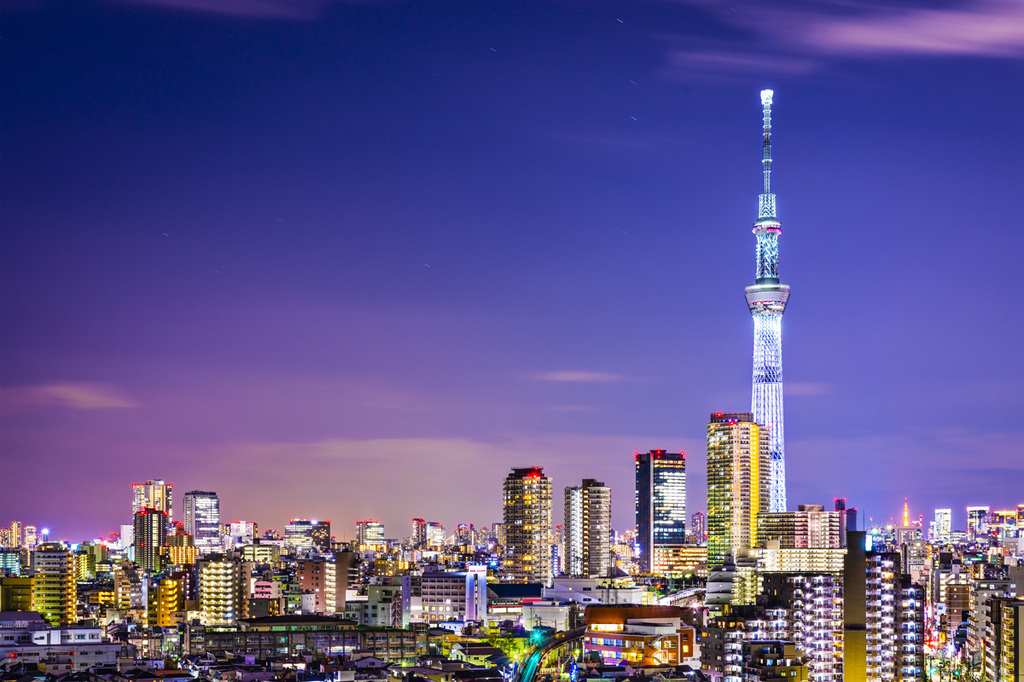
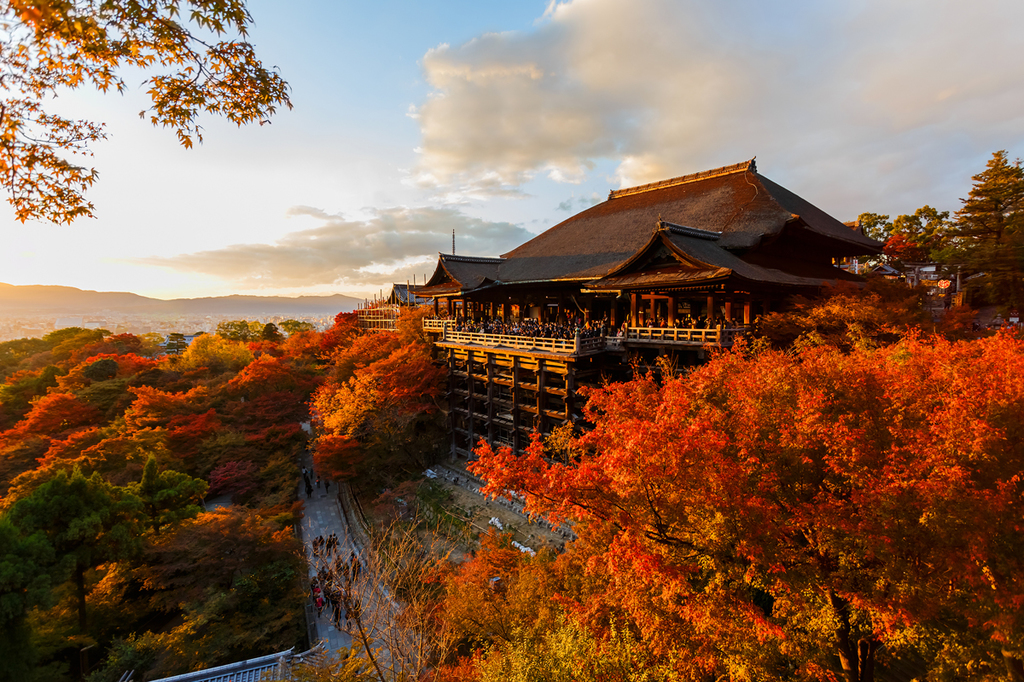
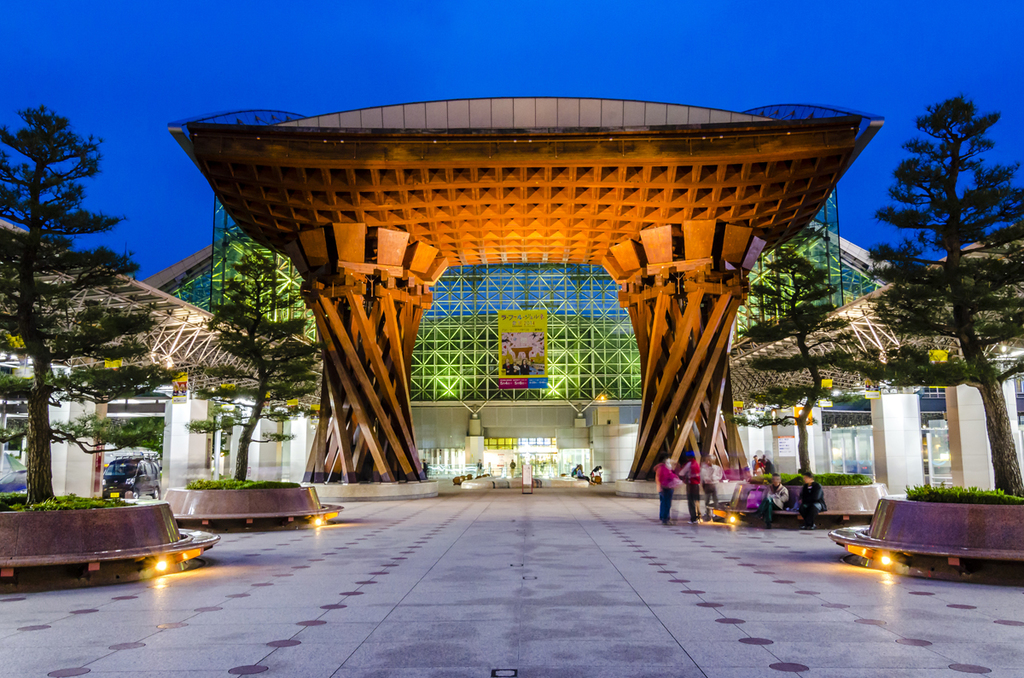
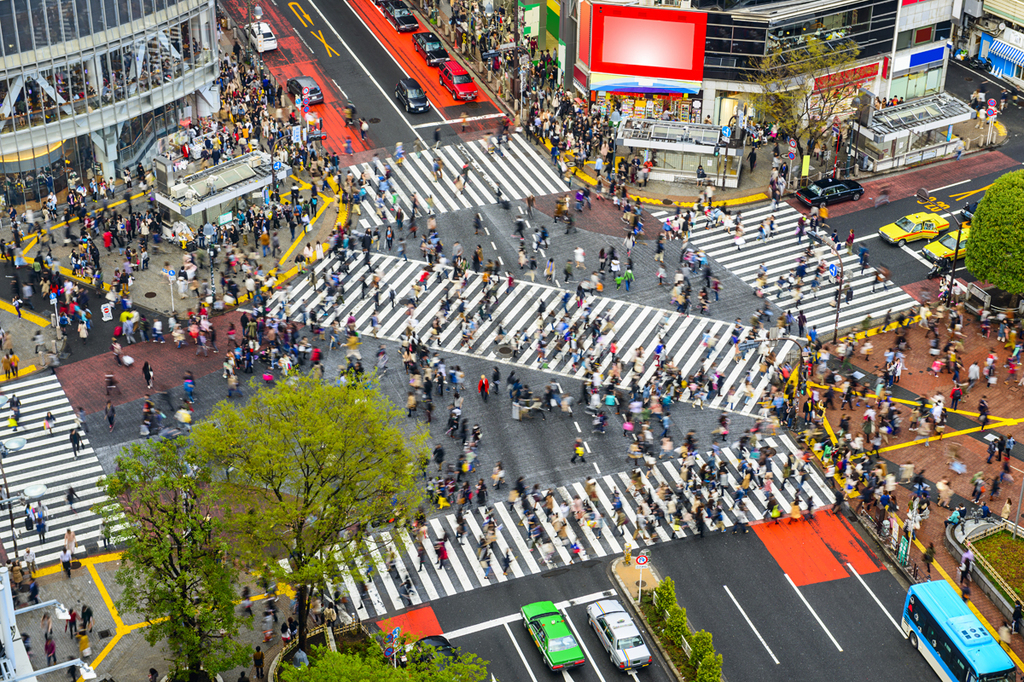
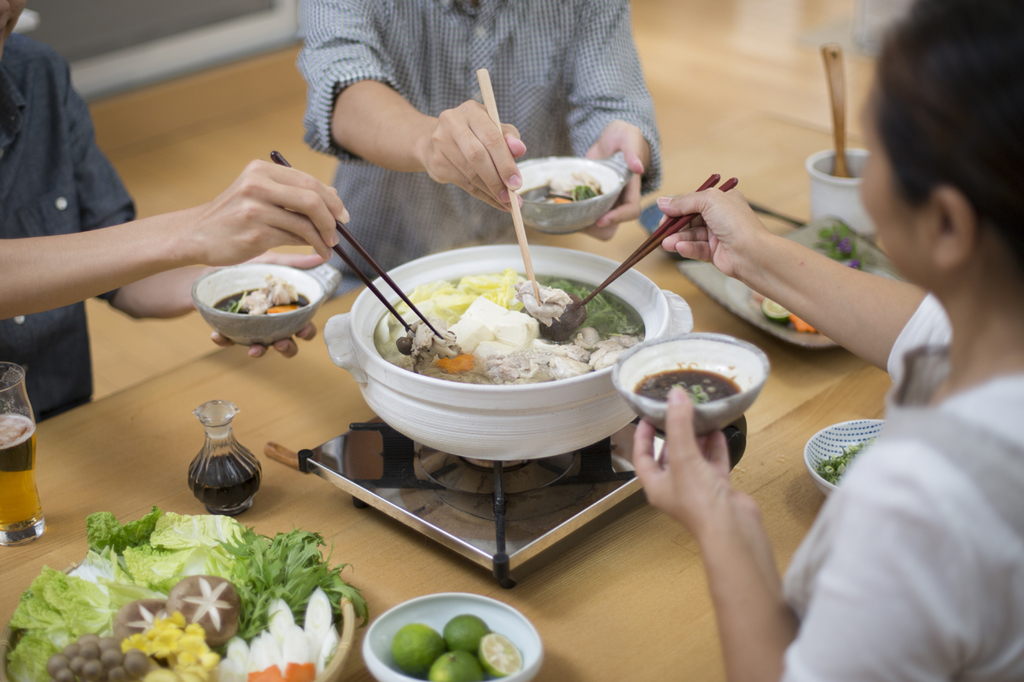
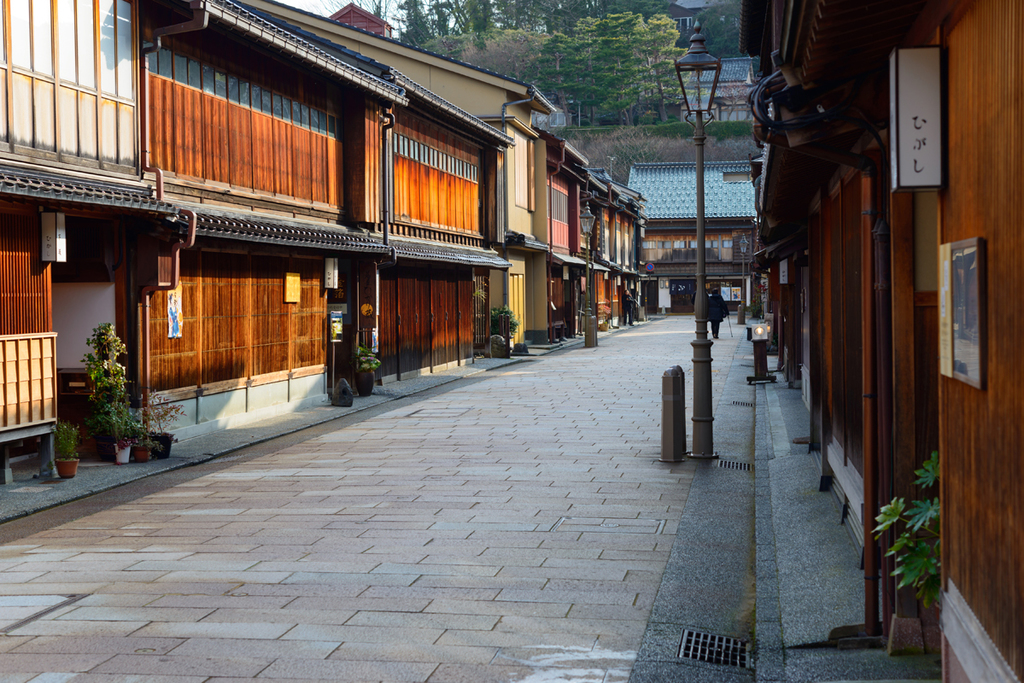
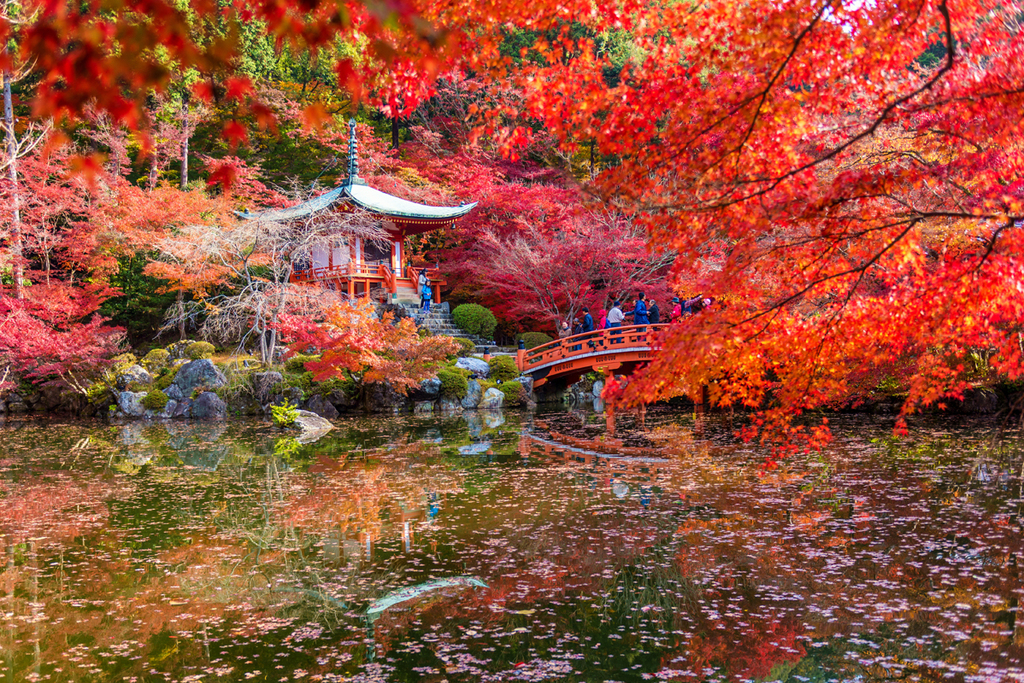
If you aspire to be "worldly", it's imperative to have some first-hand experience with Japan. If this is your first trip, you and your travelling companion(s) will return transformed. You'll be mesmerized by our exploration of the ancient and the ultra-modern, and your understanding of the world will increase immeasurably. "Post-Japan You" will be a significantly enriched version... with plenty of "baggage" left behind.
Inside cabins from $5,385 CDN tax incl
Balconies from $9,697 CDN tax incl
COMPANION CRUISES FREE
To book your complete vacation package
email Arlene at vacation@cbt.ca
or phone 877.466.8228 x 333

You may transfer 100% of your tuition to another workshop (free)
or receive a full refund (minus a 25% processing fee)
 Print
Print